production
/viewbook/list/all/?page=149
/
/static/
None

A Case Study in the Insanity Defense- The Trial of John W....
Authors:
Richard C. Bonnie
Publisher:
Foundation Press
Publication Date:
Not available
ISBN:
1599413841
This casebook first presents a background introduction and provides the history behind the insanity defense. Text features extensive coverage of the... John W. Hinckley, Jr., trial. Reviews the reactions to the verdict, comments and questions from the trial, and insanity defense reform after the trial. Also includes coverage of Hinckley's hospitalization and treatment.
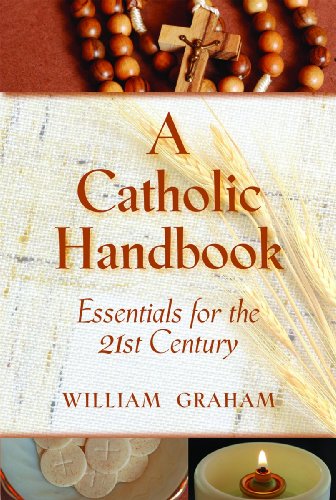
A Catholic Handbook
Authors:
Essentials for the 21st Century
Publisher:
Paulist Press
Publication Date:
Not available
ISBN:
0809146398
Whether you are a cradle Catholic, a convert, or thinking about becoming one (perhaps you are already in the RCIA at a local parish), you are... undoubtedly bursting with questions about what it means to be Catholic. A Catholic Handbook has the answers. The Paschal Mystery (can you solve it?), the sacraments, grace (the gift that keeps on giving), prayer, the monastic life, the purgatory story, the communion of saints, the lowdown on whether Protestants can go to heaven in his friendly, down-to-earth style, the sometimes humorous but unfailingly knowledgeable Fr. Graham has the answers to these and a whole treasure-trove of other questions. This book is a must for the bookshelves of every Catholic (and future Catholic).
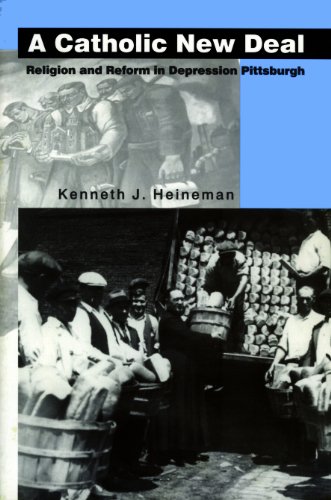
A Catholic New Deal: Religion and Reform in Depression Pittsburgh
Authors:
Kenneth J. Heineman
Publisher:
Pennsylvania State University Press
Publication Date:
Not available
ISBN:
0271028866
Our popular image of the era of the Great Depression is one of bread lines, labor wars, and leftist firebrands. Absent from this picture are religiously... motivated social reformers, notably Catholic clergy and laity. In A Catholic New Deal, Kenneth Heineman rethinks the religious roots of labor organizing and social reform in America during the 1930s. He focuses on Pittsburgh, the leading industrial city of the time, a key center for the rise of American labor, and a critical Democratic power base, thanks in large part to Mayor David Lawrence and the Catholic vote.Despite the fact that Catholics were the core of the American industrial working class in the 1930s, historians (and many contemporary observers) have underestimated or ignored the religious component of labor activism in this era. In fact, many labor historians have argued that workers could not have formed successful industrial unions without first severing their religious ties. Heineman disputes this, arguing that there would have been no steelworkers union without Pittsburgh Catholics such as James Cox, Patrick Fagan, Carl Hensler, Phil Murray, and Charles Owen Rice. He presents a complex portrait of American Catholicism in which a large number of activist priests and laity championed a distinctly Catholic vision of social justice. This vision was anti-communist, anti-fascist, and anti-laissez faire. These Catholics, in turn, helped to make the Democratic Party and the CIO powerful organizations. A Catholic New Deal shows conclusively the important role that religion played in the history of organized labor in America.

ACC 154 CONTEMP ISSUES IN ACC ]CUSTOM[
Authors:
Not Available
Publisher:
Not available
Publication Date:
Not available
ISBN:
Not available
ACC 2001/2002 ]CUSTOM[ TEXT
Authors:
Not Available
Publisher:
Not available
Publication Date:
Not available
ISBN:
1121205135
Acc 306-Accounting Information System(Custom)
Authors:
Not Available
Publisher:
Not available
Publication Date:
Not available
ISBN:
1256070548
Acc 307 Governmental Accounting
Authors:
Not Available
Publisher:
Not available
Publication Date:
Not available
ISBN:
1256073709
ACC 321 CLASS AIDS
Authors:
Not Available
Publisher:
Not available
Publication Date:
Not available
ISBN:
Not available
ACC 321 POWERPOINTS
Authors:
Not Available
Publisher:
Not available
Publication Date:
Not available
ISBN:
Not available
ACC 325 CUSTOM-ACCOUNTING INFO.SYSTEMS
Authors:
Not Available
Publisher:
Not available
Publication Date:
Not available
ISBN:
Not available
ACC 341 CUSTOM
Authors:
Not Available
Publisher:
Not available
Publication Date:
Not available
ISBN:
Not available
ACC 380K ACCOUNTING INFORMATION SYSTEMS BUNDLE 20129
Authors:
Not Available
Publisher:
Not available
Publication Date:
Not available
ISBN:
Not available
ACC395 CUSTOM BOOK PRENTICE HALL
Authors:
Not Available
Publisher:
Not available
Publication Date:
Not available
ISBN:
Not available
Acc 4013 Advanced Accounting Create Book
Authors:
Not Available
Publisher:
Not available
Publication Date:
Not available
ISBN:
1121502415
ACC 405 READINGS
Authors:
Not Available
Publisher:
Not available
Publication Date:
Not available
ISBN:
Not available
 '
'