production
/viewbook/list/all/?page=1725
/
/static/
None
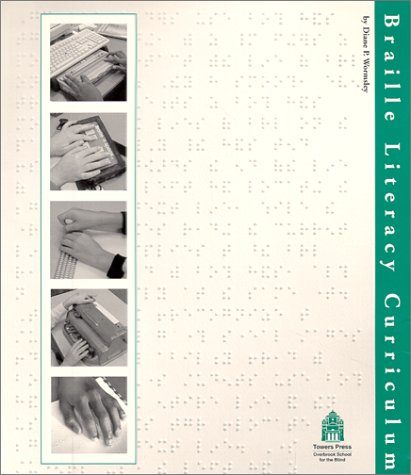
Braille Literacy Curriculum
Authors:
Diane P. Wormsley
Publisher:
Towers Pr Overbrook School for the
Publication Date:
Not available
ISBN:
1930526008
Braille Literacy Curriculum presents strategies for incorporating braille into the total curriculum. The book is an outcomes based curriculum, which... emphasizes learning media assessments and supplies an extensive list of practical resources. It has been tested in the classroom by experienced braille teachers and reviewed by independent readers. It has been used successfully with students who are blind, students who have low vision, and students who have multiple impairments. The book provides lots of new ideas for experienced teachers as well as practical tips and techniques for new teachers. Braille Literacy Curriculum is attractively bound in a sturdy and easy-to-use ring binder with space for teachers to add their own notes and student information. Braille Literacy Curriculum by Diane P. Wormsley speaks directly to teachers. It is the product of a collaborative effort, which began when the teachers at Overbrook School for the Blind said they wanted a curriculum that would address the challenges faced by all of their students. The collaboration continued through the writing and editing phases, as Overbrook teachers used the curriculum in their classrooms and other braille experts reviewed the manuscript and shared their suggestions with the author. The book is a primary resource for meeting the braille requirements set forth in reauthorization of IDEA (Individuals with Disabilities Education Act) and has a philosophical grounding in the National Agenda for the Education of Children and Youths with Visual Impairments, Including Those with Multiple Disabilities. Mostly, however, it is a curriculum of resources, references, and tips and techniques for making braille come alive for the student.
Brain & Behavior: An Introduction to Biological Psychology
Authors:
Bob L. Garrett
Publisher:
Sage Publications, Inc
Publication Date:
Not available
ISBN:
1412961009
Thoroughly updated from the previous edition, Brain & Behavior: An Introduction to Biological Psychology, Second Edition is the only text that... focuses on the “big picture” to provide a highly accessible introduction to the biology of behavior, from emotions to perception to consciousness.To view an Interactive Book Tour of this text, click here: http://www.sagepub.com/tour/garrett"Very nice illustrations, I like that it is a paperback book. Information is presented at a good level for college students."-Lisa Kreber, Ph.D, Centre for Neuro Skills (CNS)Author Bob Garrett engages students right from the start by providing student-friendly content and useful pedagogy. The integration of sensory material into behavioral contexts enhances student interest in topics they often regard as boring. The text includes two chapters not found in other biopsychology texts, on the biological bases of intelligence and consciousness. These discussions build on material from earlier chapters to make a final and convincing case for the power of biological psychology to explain human behavior.New to the Second EditionIncludes more than 500 new references, with 37% of them from 2004 and later. Expands on and combines the material on research techniques that was previously in the appendix with two topics from the first edition’s introductory chapter, Science, Research, and Theory and Research Ethics, to form the new chapter The Methods and Ethics of Research. Contains more than 60 new illustrations, and 25 others were significantly revised to increase their informational and educational value. Presents new tables Incorporates thoroughly updated In the News and Application features with the most current information.Integrates the latest findings in our rapidly increasing understanding of genetic influences on behavior Strengthens the theme of the broader societal relevance of biopsychologyPopular features retained from the earlier edition:Contains an eye-catching four-color interior design and extensive illustrative art programCovers intelligence & consciousness in their own separate chapters, which is unique compared to the competition Explores drugs and addiction in a separate chapterBrings the focus on behavior to the forefront. Contains opening vignettes of real life topics that help to make the chapter content come aliveGives “Concept Checks” at the end of each main section within the chapter that are designed to assist the student in assessing their comprehension of that section. Offers marginal questions throughout the text help keep students focused on the most important points in the chaptersProvides useful end-of- chapter pedagogy such as: “In Perspective” sections followed by a summary of the key points in the chapter; “For Further Thought” sections that require the student to think about and complete brief projects that will assist them in their understanding of the chapter content; and “Test Your Understanding” sections that appear at the end of every chapter help students assess their progress in learning the material presented. This feature contains short answer and multiple choice questions.The robust ancillaries include:An Instructor’s Resource CD-ROM that contains a computerized test bank, PowerPoint Slides, sample syllabi, and suggested in-class and homework assignments.The Student Study Site at http://www.sagepub.com/garrettbb2study that consists of stunning animations of key biological phenomena, self-quizzes, key term flashcards, SAGE journal articles with accompanying exercises, and web links with accompanying exercises.Biopsychology Updates from the author providing chapter-by-chapter summaries of recent research as well as news in the field at http://brainandbehavior.comThe Student Study Guide that offers chapter outlines; learning objectives; summary and guided reviews (incorporating key terms and concepts); short-answer and essay questions; and chapter post-testsIntended AudienceThis book is an ideal textbook for lower-level undergraduate courses in Biological Psychology, Biopsychology, Psychobiology, Physiological Psychology, Introduction to Neuroscience, and Biological Foundations of Behavior.Praise for the Second Edition of Brain & Behavior:"Great book- excellent instructional design and graphics with practical applications."-Robin Steed, MA, LOTR, Louisiana State University Health Science Center“My students liked the organization of Garrett. They thought it was easy to read and an appropriate resource for this course.” -Charles Long, University of Memphis “I have been searching for a book that would thoroughly treat all of the concepts in brain and behavior while also being easy enough for the student to read without becoming overwhelmed. I think that the Garrett text might be an answer to my problem.” -Natalie Ceballos, Texas State University“The key issues in teaching biopsychology are getting students focused on the material and making it interesting enough for them to be willing to read the text. Garrett does a good job of assisting with this process of making material meaningful and practical to students.”-Susan A. Todd, Bridgewater State College“Garrett delivers…using every day applications to provide a context for making dry material much more interesting.”-Patricia Bach, Illinois Institute of Technology“The topics covered and the additions indicate that this is a very comprehensive, very current, and interesting text.”-Mindy Miserendino, Sacred Heart University
Brain & Behavior: An Introduction to Biological Psychology
Authors:
Bob L. Garrett
Publisher:
Sage Publications, Inc
Publication Date:
Not available
ISBN:
1412981689
Brain & Behavior: An Introduction to Biological Psychology showcases our rapidly increasing understanding of the biological foundations of... behavior, engaging students immediately with easily accessible content. Bob Garrett uses colorful illustrations and thought-provoking facts while maintaining a “big-picture” approach that students will appreciate. Don’t be surprised when they reach their “eureka” moment and exclaim, “Now I understand what was going on with Uncle Edgar!”Praise for the Second Edition of Brain & Behavior:"Great book- excellent instructional design and graphics with practical applications."-Robin Steed, MA, LOTR, Louisiana State University Health Science Center“My students liked the organization of Garrett. They thought it was easy to read and an appropriate resource for this course.” -Charles Long, University of Memphis “I have been searching for a book that would thoroughly treat all of the concepts in brain and behavior while also being easy enough for the student to read without becoming overwhelmed. I think that the Garrett text might be an answer to my problem.” -Natalie Ceballos, Texas State University

BRAIN AND BEHAVIOR CUSTOM
Authors:
Not Available
Publisher:
Not available
Publication Date:
Not available
ISBN:
Not available
Brain and Culture: Neurobiology, Ideology, and Social Change
Authors:
Bruce E. Wexler
Publisher:
A Bradford Book
Publication Date:
Not available
ISBN:
0262731932
Research shows that between birth and early adulthood the brain requires sensory stimulation to develop physically. The nature of the stimulation shapes... the connections among neurons that create the neuronal networks necessary for thought and behavior. By changing the cultural environment, each generation shapes the brains of the next. By early adulthood, the neuroplasticity of the brain is greatly reduced, and this leads to a fundamental shift in the relationship between the individual and the environment: during the first part of life, the brain and mind shape themselves to the major recurring features of their environment; by early adulthood, the individual attempts to make the environment conform to the established internal structures of the brain and mind. In Brain and Culture, Bruce Wexler explores the social implications of the close and changing neurobiological relationship between the individual and the environment, with particular attention to the difficulties individuals face in adulthood when the environment changes beyond their ability to maintain the fit between existing internal structure and external reality. These difficulties are evident in bereavement, the meeting of different cultures, the experience of immigrants (in which children of immigrant families are more successful than their parents at the necessary internal transformations), and the phenomenon of interethnic violence. Integrating recent neurobiological research with major experimental findings in cognitive and developmental psychology--with illuminating references to psychoanalysis, literature, anthropology, history, and politics--Wexler presents a wealth of detail to support his arguments. The groundbreaking connections he makes allow for reconceptualization of the effect of cultural change on the brain and provide a new biological base from which to consider such social issues as "culture wars" and ethnic violence.
Brain Architecture: Understanding the Basic Plan
Authors:
Larry W. Swanson
Publisher:
Oxford University Press, USA
Publication Date:
Not available
ISBN:
019537858X
Now in its second edition, Brain Architecture is the continued exploration of how the brain works. At the very core of our existence, the brain... generates our thoughts and feelings, directs our voluntary interactions with the environment, and coordinates all of the vital functions within the body itself. This long-overdue new edition explains this oftentimes daunting intricacy and exquisite detail. The first half of the book discusses the basic parts and how they work, presenting an overview of the nervous system at both the microscopic and macroscopic levels. The approach follows three classic lines of thought that proceed from simple to complex: the history of neuroscience research, the evolution of the nervous system, and the embryological development of the vertebrate central and peripheral nervous systems.The second half of the book outlines the basic wiring diagram of the brain and nervous system-how the parts are interconnected and how they control behavior and the internal state of the body. This is done within the framework of a new four-system network model that greatly simplifies understanding the structure-function organization of the nervous system.Written in clear and sparkling prose, beautifully illustrated, and thoroughly updated, Brain Architecture, Second Edition is must-read for anyone interested in the science of how the brain works.
Brain Attack
Authors:
Paulina Perez
Publisher:
Cutting Edge Pr
Publication Date:
Not available
ISBN:
0964115956
Brain Attack--Danger, Chaos, Opportunity, and Empowerment follows the author as she navigates a new road with all of its bumps and blind curves which... was caused by a stroke that affected the very essence of her life as a public speaker.It is a powerful story of determination and perserverance. This book rings true because the reader is drawn into the author's experience.Brain Attack restores stroke survivors and their family's confidence in their ability to deal with the aftermath of a brain attack. Brain Attack reads like a novel and will inspire you as you read about the triumph of the human spirit against all odds.
Brain-Based Communication Disorders
Authors:
Leonard L. LaPointe
Publisher:
Plural Publishing, Inc.
Publication Date:
Not available
ISBN:
1597561940
Brain-Based Communication Disorders introduces the reader to the major clinically recognized types of acquired speech/language, cognitive, and... swallowing disorders encountered by clinicians working with child and adult neurological cases. The text provides contemporary and state-of-the-art content on these disorders in terms of their neuropathological bases, clinical symptomatology, and prognosis. Basic anatomy and physiology of human communication and swallowing is introduced, as well as the neural mechanisms controlling speech, language, cognitive, and swallowing functions. In addition to the traditional acquired speech/language disorders of the nervous system (aphasia; neuromotor speech disorders) content including communication impairments caused by traumatic brain injury, multisystem blast injuries, and degenerative disorders of the nervous system is also provided. The reader is also introduced to the principles that govern the assessment and treatment for both pediatric and adult populations. No other book on the market provides a first year level coverage of the range of acquired neurological speech/language disorders like Brain-Based Communication Disorders. Relevant video clips supplement the text with real world illustrations. This book offers updated clinical management information useful for both the clinician in training and experienced practicing clinicians.
Brain-Based Learning: The New Paradigm of Teaching
Authors:
Eric P. Jensen
Publisher:
Corwin Press
Publication Date:
Not available
ISBN:
1412962560
Discover a learning approach tuned to the brain’s natural way of learning. These strategies help reduce discipline problems, overcome learning... difficulties, and increase graduation rates.
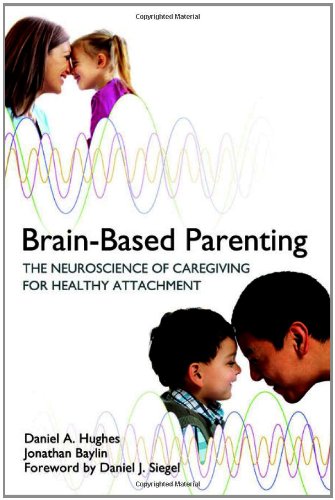
Brain-Based Parenting: The Neuroscience of Caregiving for Healthy...
Authors:
Daniel A. Hughes
Publisher:
W. W. Norton & Company
Publication Date:
Not available
ISBN:
0393707288
An attachment specialist and a clinical psychologist with neurobiology expertise team up to explore the brain science behind parenting.In this... groundbreaking exploration of the brain mechanisms behind healthy caregiving, attachment specialist Daniel A. Hughes and veteran clinical psychologist Jonathan Baylin guide readers through the intricate web of neuronal processes, hormones, and chemicals that drive—and sometimes thwart—our caregiving impulses, uncovering the mysteries of the parental brain. The biggest challenge to parents, Hughes and Baylin explain, is learning how to regulate emotions that arise—feeling them deeply and honestly while staying grounded and aware enough to preserve the parent–child relationship. Stress, which can lead to “blocked” or dysfunctional care, can impede our brain’s inherent caregiving processes and negatively impact our ability to do this. While the parent–child relationship can generate deep empathy and the intense motivation to care for our children, it can also trigger self-defensive feelings rooted in our early attachment relationships, and give rise to “unparental” impulses. Learning to be a “good parent” is contingent upon learning how to manage this stress, understand its brain-based cues, and respond in a way that will set the brain back on track. To this end, Hughes and Baylin define five major “systems” of caregiving as they’re linked to the brain, explaining how they operate when parenting is strong and what happens when good parenting is compromised or “blocked.” With this awareness, we learn how to approach kids with renewed playfulness, acceptance, curiosity, and empathy, re-regulate our caregiving systems, foster deeper social engagement, and facilitate our children’s development.Infused with clinical insight, illuminating case examples, and helpful illustrations, Brain-Based Parenting brings the science of caregiving to light for the first time. Far from just managing our children’s behavior, we can develop our “parenting brains,” and with a better understanding of the neurobiological roots of our feelings and our own attachment histories, we can transform a fraught parent-child relationship into an open, regulated, and loving one.
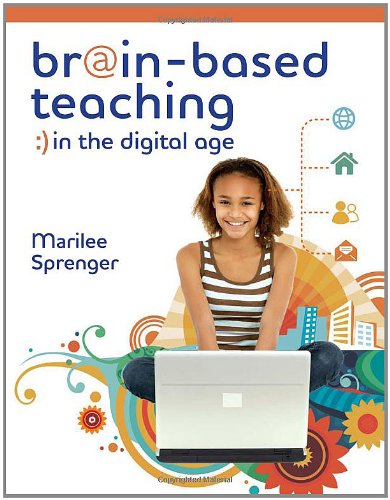
Brain-Based Teaching in the Digital Age
Authors:
Marilee Sprenger
Publisher:
Association for Supervision & Curriculum Development
Publication Date:
Not available
ISBN:
1416609180
Smartphones, videogames, webcasts, wikis, blogs, texting, emoticons. What does the rapidly changing digital landscape mean for classroom teaching? How... has technology affected the brain development of students? How does it relate to what we know about learning styles, memory, and multiple intelligences? How can teachers close the digital divide that separates many of them from their students?In Brain-Based Teaching in the Digital Age, Marilee Sprenger answers these and other questions with research-based information and practical advice gained from her years as a classroom teacher and a consultant on brain-based teaching. As she puts it, It s time to meet the digital brain. We need to use the technology tools, learn the digital dialogue, and understand and relate better to our students. At the same time, she emphasizes the importance of educating the whole child by including exercise, music, and art in the classroom and helping students develop their social-emotional intelligence. Creativity, empathy, and the ability to synthesize material are 21st century skills that can t be ignored in the digital age.Readers will find easy-to-understand information about the digital brain and how it works, high-tech and low-tech strategies for everyday teaching and learning, and inspiration for creating classroom environments that will entice and encourage students at all grade levels. With this book as a guide, educators can move confidently across the digital divide to a world of new possibilities for themselves and their students.
Brain-Based Teaching With Adolescent Learning in Mind
Authors:
Glenda Beamon Crawford
Publisher:
Corwin Press
Publication Date:
Not available
ISBN:
1412950198
Presents the newest research on the adolescent brain and offers a framework for linking brain-based teaching to students' social, emotional, and... cognitive needs.

Brain, Body, and Mind: Neuroethics with a Human Face
Authors:
Walter Glannon
Publisher:
Oxford University Press, USA
Publication Date:
Not available
ISBN:
0199734097
This book is a discussion of the most timely and contentious issues in the two branches of neuroethics: the neuroscience of ethics; and the ethics of... neuroscience. Drawing upon recent work in psychiatry, neurology, and neurosurgery, it develops a phenomenologically inspired theory of neuroscience to explain the brain-mind relation. The idea that the mind is shaped not just by the brain but also by the body and how the human subject interacts with the environment has significant implications for free will, moral responsibility, and moral justification of actions. It also provides a better understanding of how different interventions in the brain can benefit or harm us. In addition, the book discusses brain imaging techniques to diagnose altered states of consciousness, deep-brain stimulation to treat neuropsychiatric disorders, and restorative neurosurgery for neurodegenerative diseases. It examines the medical and ethical trade-offs of these interventions in the brain when they produce both positive and negative physical and psychological effects, and how these trade-offs shape decisions by physicians and patients about whether to provide and undergo them.
Brain Bugs: How the Brain's Flaws Shape Our Lives
Authors:
Dean Buonomano
Publisher:
W. W. Norton & Company
Publication Date:
Not available
ISBN:
0393342220
“Excellent. . . . [Buonomano] reveals the intricate limitations and blessings of the most complex device in the known universe.”—The... AtlanticThe human brain may be the best piece of technology ever created, but it’s far from perfect. Drawing on colorful examples and surprising research, neuroscientist Dean Buonomano exposes the blind spots and weaknesses that beset our brains and lead us to make misguided personal, professional, and financial decisions. Whether explaining why we are susceptible to advertisements or demonstrating how false memories are formed, Brain Bugs not only explains the brain’s inherent flaws but also gives us the tools to counteract them. 10 illustrations
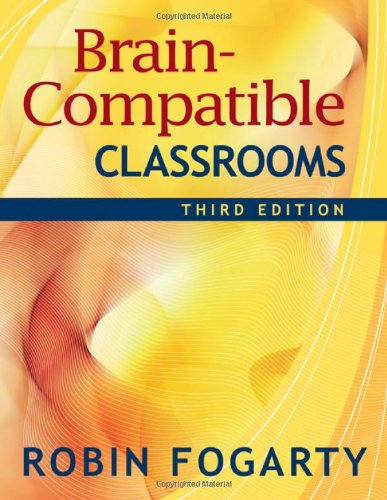
Brain-Compatible Classrooms
Authors:
Not Available
Publisher:
Corwin Press
Publication Date:
Not available
ISBN:
1412938872
Summarizing research from theorists such as Robert J. Marzano and Daniel Goleman, this revised volume helps educators understand and utilize brain... research to build high-achievement classrooms.
 '
'