production
/viewbook/list/all/?page=2243
/
/static/
None
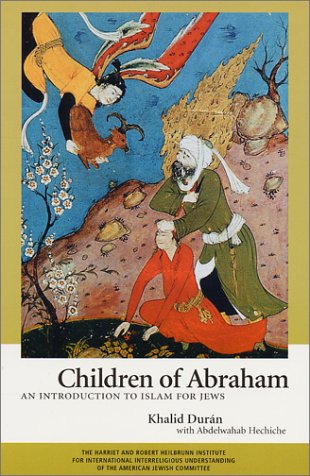
Children of Abraham : An Introduction to Islam for Jews
Authors:
Khalid Duran
Publisher:
Ktav Pub Inc
Publication Date:
Not available
ISBN:
0881257249
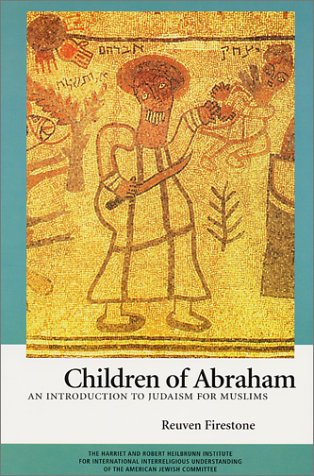
Children of Abraham: An Introduction to Judaism for Muslims
Authors:
Reuven Firestone
Publisher:
Ktav Pub Inc
Publication Date:
Not available
ISBN:
0881257206
Book includes a survey of Jewish history; consolidation of the nation and dispersion; Rabbinic Judaism, the Talmud, and the medieval world; Judaism and... modernity in western Europe & eastern Europe; God; Torah; Israel; prayer; synagogue and home; the Jewish calendar; the Jewish life cycle; personal observances; and human destiny.
Children of Alcoholism: A Survivor's Manual
Authors:
Judith S. Seixas
Publisher:
Harper & Row
Publication Date:
Not available
ISBN:
0060970200
If one or both of your parents were alcoholics ... you are still suffering, and you care not alone.At least 22 million American adults were raised by an... alcoholic parent, and nearly all of them live with scars -- both psychological and physical -as a consequence. Coming from homes filled with loneliness and terror, children of alcoholics grow up unable to lead lives free from inexplicable guilt, deep insecurity, lack of self-esteem, and intense sadness. Now there is help.Chidren of Alcoholism exposes "the terrible family secret" and draws on interviews with over 200 survivors to share the realities of family alcoholism, such as the frequent occurrence of child abuse, the ruined family holidays, the "crazy" fantasylike atmosphere of the alcoholic home. Childern of Alcoholism also discusses in detail how survivors can:tend to become alcoholics themselves, or marry alcoholic partnersconfront addictive behavior, including alcoholismrecognize symptomsopenly discuss drinking with their own childrenFilled with invaluable techniques for reversing destructive patterns and extensive information on therapy and peer support groups Children of Alcoholism offers objective, sympathetic advice on how to come to terms with the past and how to seek additional help if necessary.
Children of a Lesser God.
Authors:
Mark Medoff
Publisher:
Dramatists Play Service, Inc.
Publication Date:
Not available
ISBN:
0822202034
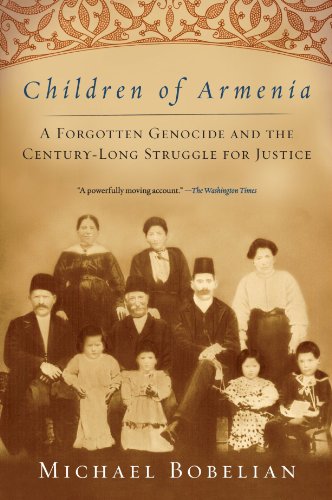
Children of Armenia: A Forgotten Genocide and the Century-long...
Authors:
Michael Bobelian
Publisher:
Simon & Schuster
Publication Date:
Not available
ISBN:
1416557261
From 1915 to 1923, the Ottoman Empire drove the Armenians from their ancestral homeland and slaughtered 1.5 million of them in the process. While there... was an initial global outcry and a movement led by Woodrow Wilson to aid the “starving Armenians,” the promises to hold the perpetrators accountable were never fulfilled. In this groundbreaking work, Michael Bobelian profiles the leading players—Armenian activists and assassins, Turkish diplomats, U.S. officials— each of whom played a significant role in furthering or opposing the century-long Armenian quest for justice in the face of Turkish denial of its crimes, and reveals the events that have conspired to eradicate the “forgotten Genocide” from the world’s memory.
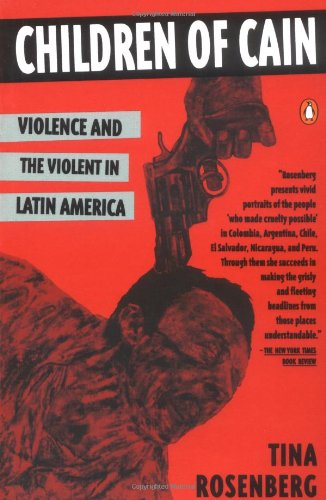
Children of Cain: Violence and the Violent in Latin America
Authors:
Tina Rosenberg
Publisher:
Penguin Books
Publication Date:
Not available
ISBN:
0140172548
An honest judge in Medellin, a Maoist guerilla of Peru's Shining Path, the fair-haired Angel of Death in Argentina's Dirty War, the pool-party rich of... El Salvador, the disabused revolutionaries of Nicaragua, and the ordinary Chileans who became silent partners in Pinochet's dictatorship—these people live in Latin America, but their stories illuminate the human face of violence all over the world. Tina Rosenberg spent five years trying to understand their world and learning to live with these "children of Cain." Their stories are disturbing precisely because these people are not monsters; the faces in Children of Cain are not those of strangers.
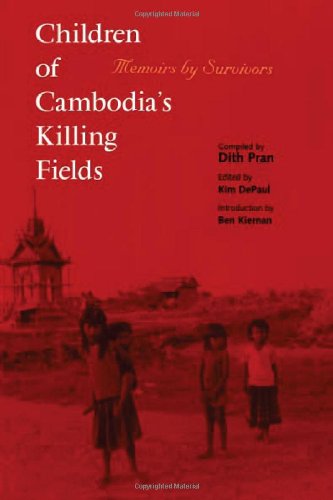
Children of Cambodia's Killing Fields: Memoirs by Survivors
Authors:
Dith Pran
Publisher:
Yale University Press
Publication Date:
Not available
ISBN:
0300078730
This extraordinary book contains eyewitness accounts of life in Cambodia during Pol Pot's genocidal Khmer Rouge regime from 1975 to 1979, accounts... written by survivors who were children at the time. The book has been put together by Dith Pran, whose own experiences in Cambodia were so graphically portrayed in the film The Killing Fields.The testimonies related here bear poignant witness to the slaughter the Khmer Rouge inflicted on the Cambodian people. The contributors -- most of them now in the United States and pictured in photographs that accompany their stories -- report on life in Democratic Kampuchea as seen through children's eyes. They speak of their bewilderment and pain as Khmer Rouge cadres tore their families apart, subjected them to harsh brainwashing, drove them from their homes to work in forced-labor camps, and executed captives in front of them. Their stories tell of suffering and the loss of innocence, the struggle to survive against all odds, and the ultimate triumph of the human spirit.
Children of Choice: Freedom and the New Reproductive Technologies
Authors:
John A. Robertson
Publisher:
Princeton University Press
Publication Date:
Not available
ISBN:
0691036659
Cloning, genetic screening, embryo freezing, in vitro fertilization, Norplant, RU486--these are the technologies revolutionizing our reproductive... landscape. Through the lens of procreative liberty--meaning both the freedom to decide whether or not to have children as well as the freedom to control one's reproductive capacity--John Robertson, a leading legal bioethicist, analyzes the ethical, legal, and social controversies surrounding each major technology and opens up a multitude of fascinating questions: Do frozen embryos have the right to be born? Should parents be allowed to select offspring traits? May a government force welfare recipients to take contraceptives? Robertson's arguments examine the broad range of consequences of each reproductive technology and offers a timely, multifaceted analysis of the competing interests at stake for patients, couples, doctors, policymakers, lawyers, and ethicists.
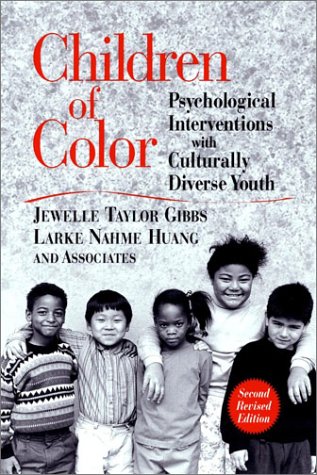
Children of Color: Psychological Interventions with Culturally...
Authors:
Not Available
Publisher:
Jossey-Bass
Publication Date:
Not available
ISBN:
0787962686
Children of Color is the thoroughly revised and expanded edition of the classic and definitive guide to the unique problems and special needs of... minority youth experiencing psychological and behavioral problems. This comprehensive book presents crucial information on culturally sensitive and culturally competent assessment and treatment approaches for young African Americans, Asian Americans, Central Americans, Latinos, Native Americans, biracial-bicultural, and other so-called minority youth. This new edition contains a wealth of new statistical data, demographics, and cutting- edge interventions techniques, contributed by an ethnically diverse group of mental health professionals who are experts in their fields.
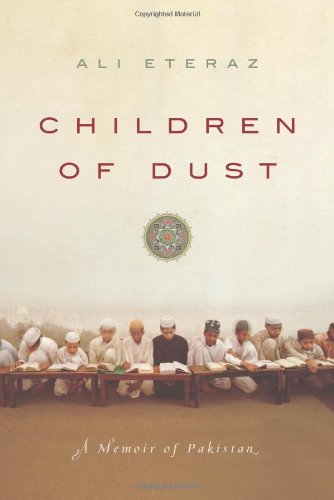
Children of Dust: A Memoir of Pakistan
Authors:
Ali Eteraz
Publisher:
HarperOne
Publication Date:
Not available
ISBN:
0061567086
"Children of Dust" is a penetrating memoir by a fresh Pakistani voice. Ali Eteraz reveals the inside story of Muslim fundamentalism in rural Pakistan,... the culture shock of moving to the American Bible Belt, and a young man's journey of reconciliation with his Islamic identity. At last we have a compelling male Muslim voice telling his coming-of-age story, capturing not merely pain, but also the love, laughter, and pathos of Muslim life. Beginning in the rural areas of Pakistan, "Children of Dust" chronicles a boy's childhood in a fundamentalist world. It sets forth an intimate portrait of life at the lowest levels of Pakistani society in the turbulent eighties, exploring the place of women and children, and describing life and friendship in the severe environment of a madrassa. After immigrating with his family to the United States, Eteraz struggles to be a normal American teenager under the rules of a strict Muslim household. In 1999, he returns to Pakistan to find a pious Muslim wife. Instead of the country of his fond childhood memories, he finds the villages of his youth now dominated by the ideology of the Taliban, filled with young men spouting militant rhetoric, and his extended family caught up in a fight for survival. He becomes the target of a mysterious plot to abduct and hold him ransom for being a purported CIA agent, and eventually has to escape under military escort. Back in the United States, Eteraz eventually finds a middle way within American Islam. "Children of Dust" is a rollicking and sometimes subversive look at the religion of Islam in the global world by someone who has lived it to its fullest.
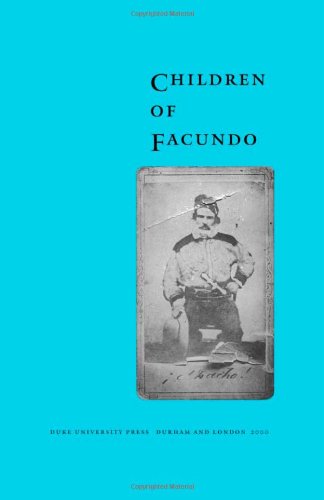
Children of Facundo: Caudillo and Gaucho Insurgency during the...
Authors:
Not Available
Publisher:
Duke University Press Books
Publication Date:
Not available
ISBN:
0822325969
In Children of Facundo Ariel de la Fuente examines postindependence Argentinian instability and political struggle from the perspective of the rural... lower classes. As the first comprehensive regional study to explore nineteenth-century society, culture, and politics in the Argentine interior—where more than 50 percent of the population lived at the time—the book departs from the predominant Buenos Aires-centered historiography to analyze this crucial period in the processes of state- and nation-building. La Rioja, a province in the northwest section of the country, was the land of the caudillos immortalized by Domingo F. Sarmiento, particularly in his foundational and controversial book Facundo. De la Fuente focuses on the repeated rebellions in this district during the 1860s, when Federalist caudillos and their followers, the gauchos, rose up against the new Unitarian government. In this social and cultural analysis, de la Fuente argues that the conflict was not a factional struggle between two ideologically identical sectors of the elite, as commonly depicted. Instead, he believes, the struggle should be seen from the perspective of the lower-class gauchos, for whom Unitarianism and Federalism were highly differentiated party identities that represented different experiences during the nineteenth century. To reconstruct this rural political culture de la Fuente relies on sources that heretofore have been little used in the study of nineteenth-century Latin American politics, most notably a rich folklore collection of popular political songs, folktales, testimonies, and superstitions passed down by old gauchos who had been witnesses or protagonists of the rebellions. Criminal trial records, private diaries, and land censuses add to the originality of de la Fuente’s study, while also providing a new perspective on Sarmiento’s works, including the classic Facundo. This book will interest those specializing in Latin American history, literature, politics, and rural issues.
Children of Facundo-CL
Authors:
Ariel de La Fuente
Publisher:
Duke University Press Books
Publication Date:
Not available
ISBN:
0822325829
In Children of Facundo Ariel de la Fuente examines postindependence Argentinian instability and political struggle from the perspective of the rural... lower classes. As the first comprehensive regional study to explore nineteenth-century society, culture, and politics in the Argentine interior—where more than 50 percent of the population lived at the time—the book departs from the predominant Buenos Aires-centered historiography to analyze this crucial period in the processes of state- and nation-building. La Rioja, a province in the northwest section of the country, was the land of the caudillos immortalized by Domingo F. Sarmiento, particularly in his foundational and controversial book Facundo. De la Fuente focuses on the repeated rebellions in this district during the 1860s, when Federalist caudillos and their followers, the gauchos, rose up against the new Unitarian government. In this social and cultural analysis, de la Fuente argues that the conflict was not a factional struggle between two ideologically identical sectors of the elite, as commonly depicted. Instead, he believes, the struggle should be seen from the perspective of the lower-class gauchos, for whom Unitarianism and Federalism were highly differentiated party identities that represented different experiences during the nineteenth century. To reconstruct this rural political culture de la Fuente relies on sources that heretofore have been little used in the study of nineteenth-century Latin American politics, most notably a rich folklore collection of popular political songs, folktales, testimonies, and superstitions passed down by old gauchos who had been witnesses or protagonists of the rebellions. Criminal trial records, private diaries, and land censuses add to the originality of de la Fuente’s study, while also providing a new perspective on Sarmiento’s works, including the classic Facundo. This book will interest those specializing in Latin American history, literature, politics, and rural issues.
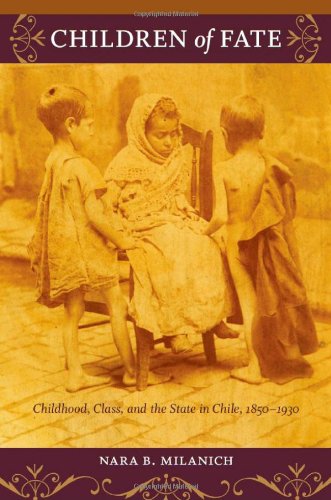
Children of Fate: Childhood, Class, and the State in Chile,...
Authors:
Nara Milanich
Publisher:
Duke University Press Books
Publication Date:
Not available
ISBN:
0822345749
In modern Latin America, profound social inequalities have persisted despite the promise of equality. Nara B. Milanich argues that social and legal... practices surrounding family and kinship have helped produce and sustain these inequalities. Tracing families both elite and plebeian in late-nineteenth- and early-twentieth-century Chile, she focuses on a group largely invisible in Latin American historiography: children. The concept of family constituted a crucial dimension of an individual’s identity and status, but also denoted a privileged set of gendered and generational dependencies that not all people could claim. Children of Fate explores such themes as paternity, illegitimacy, kinship, and child circulation over the course of eighty years of Chile’s modern history to illuminate the ways family practices and ideologies powerfully shaped the lives of individuals as well as broader social structures.Milanich pays particular attention to family law, arguing that liberal legal reforms wrought in the 1850s, which left the paternity of illegitimate children purposely unrecorded, reinforced not only patriarchal power but also hierarchies of class. Through vivid stories culled from judicial and notarial sources and from a cache of documents found in the closet of a Santiago orphanage, she reveals how law and bureaucracy helped create an anonymous underclass bereft of kin entitlements, dependent on the charity of others, and marginalized from public bureaucracies. Milanich also challenges the recent scholarly emphasis on state formation by highlighting the enduring importance of private, informal, and extralegal relations of power within and across households. Children of Fate demonstrates how the study of children can illuminate the social organization of gender and class, liberalism, law, and state power in modern Latin America.
Children of Fire: A History of African Americans
Authors:
Thomas C. Holt
Publisher:
Hill and Wang
Publication Date:
Not available
ISBN:
0809067137
Ordinary people don’t experience history as it is taught by historians. They live across the convenient chronological divides we impose on the past.... The same people who lived through the Civil War and the eradication of slavery also dealt with the hardships of Reconstruction, so why do we almost always treat them separately? In Children of Fire, renowned historian Thomas C. Holt challenges this form to tell the story of generations of African Americans through the lived experience of the subjects themselves, with all of the nuances, ironies, contradictions, and complexities one might expect. Building on seminal books like John Hope Franklin’s From Slavery to Freedom and many others, Holt captures the entire African American experience from the moment the first twenty African slaves were sold at Jamestown in 1619. Each chapter focuses on a generation of individuals who shaped the course of American history, hoping for a better life for their children but often confronting the ebb and flow of their civil rights and status within society. Many familiar faces grace these pages—Frederick Douglass, W.E.B. DuBois, Martin Luther King, and Barack Obama—but also some overlooked ones. Figures like Anthony Johnson, a slave who bought his freedom in late seventeenth century Virginia and built a sizable plantation, only to have it stolen away from his children by an increasingly racist court system. Or Frank Moore, a WWI veteran and sharecropper who sued his landlord for unfair practices, but found himself charged with murder after fighting off an angry white posse. Taken together, their stories tell how African Americans fashioned a culture and identity amid the turmoil of four centuries of American history.
Children of Fire: A History of African Americans
Authors:
Thomas C. Holt
Publisher:
Hill and Wang
Publication Date:
Not available
ISBN:
0809034174
Ordinary people don’t experience history as it is taught by historians. They live across the convenient chronological divides we impose on the past.... The same people who lived through the Civil War and the eradication of slavery also dealt with the hardships of Reconstruction, so why do we almost always treat them separately? In this groundbreaking new book, renowned historian Thomas C. Holt challenges this form to tell the story of generations of African Americans through the lived experience of the subjects themselves, with all of the nuances, ironies, contradictions, and complexities one might expect.
 '
'