production
/viewbook/list/all/?page=2314
/
/static/
None
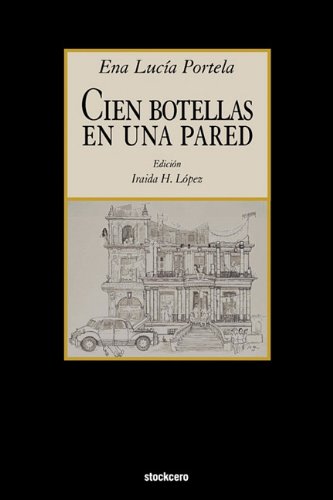
Cien botellas en una pared (Spanish Edition)
Authors:
Ena Lucia Portela
Publisher:
Stockcero
Publication Date:
Not available
ISBN:
1934768332
Witty and humorously written in colloquial Cuban, One hundred bottles in a wall (2002), anatomy of a double murder, takes place in the '90s Havanna,... amidst the crisis provoked by the collapse of the socialist bloc. Zeta -Zee- main character and narrator, who manages to survive by illicit means, recounts her relation with Moises, former judge of the Supreme Court whose story relates to the «crash of a world and the fall of the gods», the collapse of utopia. With Zeta and her friend Linda -a thriller writer- we delve into a marginal underground world, unheard of in touristic guides to Cuba. Translated into English, French, Portuguese, Dutch, Polish, Italian, Greek and Turkish, this is Ena Lucia Portela's best known novel. Born in 1972 in Havanna, Cuba, where she lives nowadays, Portela takes a center place in Cuban present literature. A Havanna University Graduate in Classic Languages and Literatures, she writes both fiction and essays. Besides this novel, that won the XVII Jaen Novel Award (2002) and the French critique Prix Littéraire Deux Océans - Grinzane Cavour (2003), Portela has published the novels El pájaro: pincel y tinta china (1999), La sombra del caminante (2006) and Djuna y Daniel (2008), and the short stories volumes Una extraña entre las piedras (1999) and Alguna enfermedad muy grave (2006). The critical anthology of her short stories El viejo, el asesino, yo y otros cuentos, was published by Stockcero in 2009. Published in nine languages and more than twenty countries Portela was selected as one of the most influential 39 Latin American writers less than 39 years old. This edition includes a foreword, «About the black novel: poetry and politics in Cien botellas en la pared», by Iraida H. Lopez, that deals with police fiction in Cuba as well as in the Latin American context, and proposes reading this work as a black novel. Hundreds of footnotes, by the author as well as by the Literary Editor, deal with both lexical, cultural, literary and historic background references, transforming this edition into a great opportunity to fully enjoy the fiction of this unique Cuban novelist.
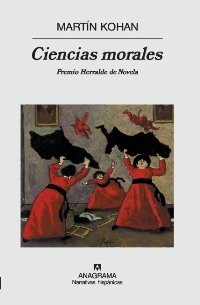
Ciencias morales (Spanish Edition)
Authors:
Martin Kohan
Publisher:
Anagrama
Publication Date:
Not available
ISBN:
843397162X
Esta obra confirma la extraordinaria madurez narrativa de uno de los autores más inteligentes de la reciente literatura argentina. La trama se... desarrolla dentro de los muros de un colegio, en el Buenos Aires de 1982. María Teresa es una maestra de ceremonias de esta escuela, inocente o quizás solo ignorante, a la cual la vigilancia estricta la lleva, persiguiendo un olor a tabaco, hacia los lavabos de los chicos, para sorprenderlos y llevarlos ante la autoridad. Poco a poco hace de ello un hábito oscuramente excitante. Una vigilancia que tal vez está siendo aplicada más allá del recinto del cerrado mundo que descubre el autor. Porque extramuros del colegio donde estudian y han estudiado las clases dirigentes, hay otro mundo, un país acaso que se le asemeja. Premio Herralde de Novela.
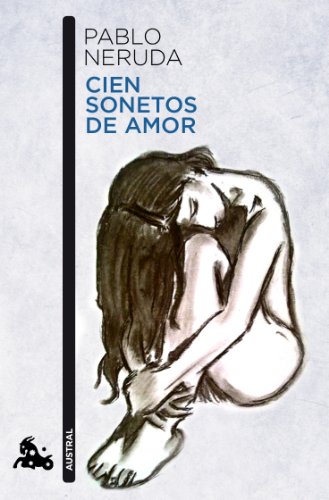
CIEN SONETOS DE AMOR Nê739 *12*AUSTRAL.
Authors:
Agapea
Publisher:
Agapea
Publication Date:
Not available
ISBN:
8432248452
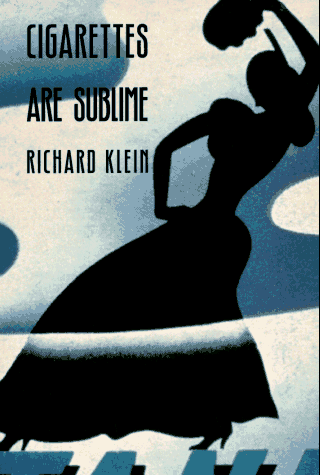
Cigarettes Are Sublime
Authors:
Richard Klein
Publisher:
Duke University Press Books
Publication Date:
Not available
ISBN:
0822316412
Cigarettes are bad for you; that is why they are so good. With its origins in the author’s urgent desire to stop smoking, Cigarettes Are Sublime... offers a provocative look at the literary, philosophical, and cultural history of smoking. Richard Klein focuses on the dark beauty, negative pleasures, and exacting benefits attached to tobacco use and to cigarettes in particular. His appreciation of paradox and playful use of hyperbole lead the way on this aptly ambivalent romp through the cigarette in war, movies (the "Humphrey Bogart cigarette"), literature, poetry, and the reflections of Sartre to show that cigarettes are a mixed blessing, precisely sublime."An elegant display of prose. . . . [Klein’s] polemic is bravely cranky. The book is important for . . . situating the act of smoking in Western culture and telling us addicts, without condescension, what kind of dance we’re doing 10 or 20 times a day."—Laura Mansnerus, New York Times Book Review"[A] wise and timely book: it is also sly, funny, and peculiarly seductive. . . . [A] remarkable achievement."—John Banville, New York Review of Books "[A] compact history of compulsion. . . . [Klein’s] book is a farewell to a loyal companion."—Colson Whitehead, Voice Literary Supplement"[A]n elegant and erudite examination of the question: If cigarettes are so bad, why do so many people insist on smoking them? A breath of fresh air in a debate that has become too stale."—David Streitfeld, Washington Post Book World"Lively, obsessive."—Anthony Lane, The New Yorker"Witty and subversive."—John Leonard, The Nation"Klein has written an exquisite book which takes us beyond a consideration of smoking as rite de passage."—Max Farrar, Times Higher Education Supplement"A languorous meditation on humanity’s most futile and wasteful habit."—Christopher Hitchens, The Independent on Sunday"Many people, deciding to quit smoking, go cold turkey; others use nicotine gum or a patch. Klein, however, has taken a unique approach: the writing of this learned, elegant, and fanciful analysis of—and ‘elegy’ for—the cigarette. . . . [It is] full of delightful whirls of logic and puffs of insight."—Kirkus Reviews
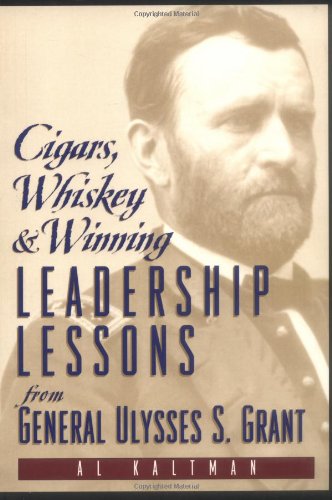
Cigars, Whiskey and Winning: Leadership Lessons from General...
Authors:
Al Kaltman
Publisher:
Prentice Hall Press
Publication Date:
Not available
ISBN:
0735201633
Long before leadership became identified as the catalyst for corporate success, the Civil War's winning general was showing the world how dynamic... leadership is the crucial determinant of victory or defeat. Ulysses S. Grant never sought fame of glory, nor did he try to tie his performance to personal reward. Instead, he concentrated on contribution and service. He looked upon being given increased responsibility not as increasing his power, but as increasing his ability to get the job done. "The great thing about Grant...is his perfect correctness and persistency of purpose." (Abraham Lincoln) In this masterful retelling of Grant's story, Al Kaltman draws on Grant's writings and life experiences to present a series of practical lessons on how to get superior performance from the troops. Going beyond mere "how-to's", Cigars, Whiskey & Winning deals with character traits, core beliefs, and fundamental values to reveal the secrets to becoming a winning leader that are as much about "who to be" as "what to do". And there isn't a chart, table, or checklist in sight-just a handy index of lessons for ready inspiration on demand.

CILYURAL ANTHROPOLOGY
Authors:
Smith and Young
Publisher:
BVT
Publication Date:
Not available
ISBN:
1618821199

Cimarron (Siruela Bolsillo / Pocket Siruela) (Spanish Edition)
Authors:
Miguel Barnet
Publisher:
Siruela
Publication Date:
Not available
ISBN:
8478446176
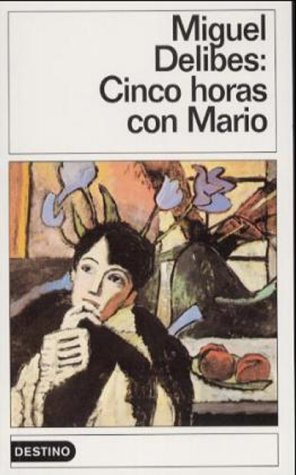
Cinco horas con Mario (Destinolibro) (Spanish Edition)
Authors:
Miguel Delibes
Publisher:
Destino
Publication Date:
Not available
ISBN:
8423311309
Una conservadora mujer de clase media vela el cadaver de su marido, prematuramente fallecido. Mediante un soliloquio, la esposa recuerda los muchos... aspectos insatisfactorios de su vida en comun. La Biblia de cabecera de Mario esta subrayada con pasajes y a partir de estas citas, Carmen va desgranando sus pensamientos reprochandoles su integridad moral y su falta de ambicion.

Cinco Horas Con Mario/ Five Hours With Mario (Clasicos...
Authors:
Miguel Delibes
Publisher:
Planeta Publishing
Publication Date:
Not available
ISBN:
8423335100
Una conservadora mujer de clase media vela el cadaver de su marido, prematuramente fallecido. Mediante un soliloquio, la esposa recuerda los muchos... aspectos insatisfactorios de su vida en comun. La Biblia de cabecera de Mario esta subrayada con pasajes y a partir de estas citas, Carmen va desgranando sus pensamientos reprochandoles su integridad moral y su falta de ambicion.

Cinco Maestros: Cuentos Modernos De Hispanoamerica, Custom (Spanish...
Authors:
Alexander Coleman
Publisher:
Heinle & Heinle Pub
Publication Date:
Not available
ISBN:
1413079849
Exposes the reader to all sorts of texts (newspaper articles, testimonies, art, interviews, films, songs and web activities) and gives them the... opportunity to examine the diversity and complexity of the Hispanic world and the richness of its culture. This is a content-based collection of literary works by Spanish, Spanish American, and Latina women. Each chapter includes two literary selections that show different sides of the topic under exploration. Designed for advanced Spanish literary exploration.
Cincuenta Lecciones de Exilio y Desexilio
Authors:
Gustavo Perez Firmat
Publisher:
Not available
Publication Date:
Not available
ISBN:
0897299167
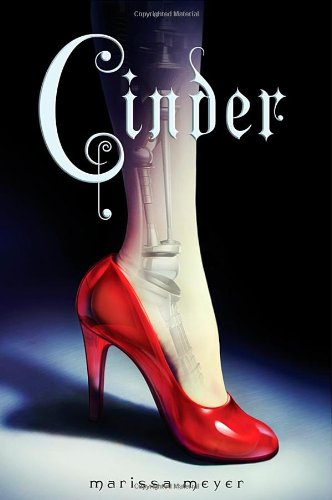
Cinder: Book One in the Lunar Chronicles
Authors:
Marissa Meyer
Publisher:
Feiwel & Friends
Publication Date:
Not available
ISBN:
0312641893
Humans and androids crowd the raucous streets of New Beijing. A deadly plague ravages the population. From space, a ruthless lunar people watch, waiting... to make their move. No one knows that Earth’s fate hinges on one girl. . . . Cinder, a gifted mechanic, is a cyborg. She’s a second-class citizen with a mysterious past, reviled by her stepmother and blamed for her stepsister’s illness. But when her life becomes intertwined with the handsome Prince Kai’s, she suddenly finds herself at the center of an intergalactic struggle, and a forbidden attraction. Caught between duty and freedom, loyalty and betrayal, she must uncover secrets about her past in order to protect her world’s future. Marissa Meyer on Cinder, writing, and leading menWhich of your characters is most like you?I wish I could say that I'm clever and mechanically-minded like Cinder, but no—I can't fix anything. I'm much more like Cress, who makes a brief cameo in Cinder and then takes a more starring role in the third book. She's a romantic and a daydreamer and maybe a little on the naïve side—things that could be said about me too—although she does find courage when it's needed most. I think we'd all like to believe we'd have that same inner strength if we ever needed it. Where do you write?I have a home office that I've decorated with vintage fairy tale treasures that I've collected (my favorite is a Cinderella cookie jar from the forties) and NaNoWriMo posters, but sometimes writing there starts to feel too much like work. On those days I'll write in bed or take my laptop out for coffee or lunch.If you were stranded on a desert island, which character from Cinder would you want with you?Cinder, definitely! She has an internet connection in her brain, complete with the ability to send and receive comms (which are similar to e-mails). We'd just have enough time to enjoy some fresh coconut before we were rescued. The next book in the Lunar Chronicles is called Scarlet, and is about Little Red Riding Hood. What is appealing to you most about this character as you work on the book?Scarlet is awesome—she's very independent, a bit temperamental, and has an outspokenness that tends to get her in trouble sometimes. She was raised by her grandmother, an ex-military pilot who now owns a small farm in southern France, who not only taught Scarlet how to fly a spaceship and shoot a gun, but also to have a healthy respect and appreciation for nature. I guess that's a lot of things that appeal to me about her, but she's been a really fun character to write! (The two leading men in Scarlet, Wolf and Captain Thorne, aren't half bad either.)
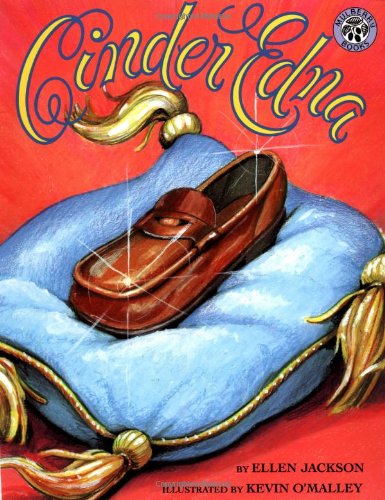
Cinder Edna
Authors:
Ellen Jackson
Publisher:
HarperCollins
Publication Date:
Not available
ISBN:
0688162959
The famous Cinderella and her neighbor Cinder Edna each worked sunup to sundown for their wicked stepmother and stepsisters. But while Cinderella had... the good fortune to be rescued by her fairy godmother, Edna was strong, self-reliant, spunky--and she lived happier ever after! "Nicely executed....This Cinderella send-up is full of kid-pleasing jokes."--Publisher's Weekly.
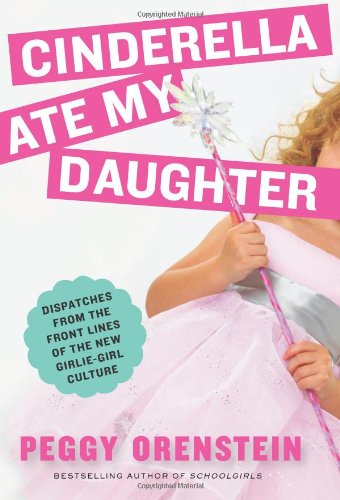
Cinderella Ate My Daughter: Dispatches from the Front Lines of the...
Authors:
Peggy Orenstein
Publisher:
Harper
Publication Date:
Not available
ISBN:
0061711527
The acclaimed author of the groundbreaking bestseller Schoolgirls reveals the dark side of pink and pretty: the rise of the girlie-girl, she warns, is... not that innocent. Pink and pretty or predatory and hardened, sexualized girlhood influences our daughters from infancy onward, telling them that how a girl looks matters more than who she is. Somewhere between the exhilarating rise of Girl Power in the 1990s and today, the pursuit of physical perfection has been recast as a source—the source—of female empowerment. And commercialization has spread the message faster and farther, reaching girls at ever-younger ages. But, realistically, how many times can you say no when your daughter begs for a pint-size wedding gown or the latest Hannah Montana CD? And how dangerous is pink and pretty anyway—especially given girls' successes in the classroom and on the playing field? Being a princess is just make-believe, after all; eventually they grow out of it. Or do they? Does playing Cinderella shield girls from early sexualization—or prime them for it? Could today's little princess become tomorrow's sexting teen? And what if she does? Would that make her in charge of her sexuality—or an unwitting captive to it? Those questions hit home with Peggy Orenstein, so she went sleuthing. She visited Disneyland and the international toy fair, trolled American Girl Place and Pottery Barn Kids, and met beauty pageant parents with preschoolers tricked out like Vegas showgirls. She dissected the science, created an online avatar, and parsed the original fairy tales. The stakes turn out to be higher than she—or we—ever imagined: nothing less than the health, development, and futures of our girls. From premature sexualization to the risk of depression to rising rates of narcissism, the potential negative impact of this new girlie-girl culture is undeniable—yet armed with awareness and recognition, parents can effectively counterbalance its influence in their daughters' lives. Cinderella Ate My Daughter is a must-read for anyone who cares about girls, and for parents helping their daughters navigate the rocky road to adulthood.
Cinderella Ate My Daughter: Dispatches from the Front Lines of the...
Authors:
Peggy Orenstein
Publisher:
Harper Paperbacks
Publication Date:
Not available
ISBN:
0061711535
The acclaimed author of the groundbreaking bestseller Schoolgirls reveals the dark side of pink and pretty: the rise of the girlie-girl, she warns, is... not that innocent. Sweet and sassy or predatory and hardened, sexualized girlhood influences our daughters from infancy onward, telling them that how a girl looks matters more than who she is. Somewhere between the exhilarating rise of Girl Power in the 1990s and today, the pursuit of physical perfection has been recast as the source of female empowerment. And commercialization has spread the message faster and farther, reaching girls at ever-younger ages. But how dangerous is pink and pretty, anyway? Being a princess is just make-believe; eventually they grow out of it . . . or do they? In search of answers, Peggy Orenstein visited Disneyland, trolled American Girl Place, and met parents of beauty-pageant preschoolers tricked out like Vegas showgirls. The stakes turn out to be higher than she ever imagined. From premature sexualization to the risk of depression to rising rates of narcissism, the potential negative impact of this new girlie-girl culture is undeniable—yet armed with awareness and recognition, parents can effectively counterbalance its influence in their daughters' lives.
 '
'