production
/viewbook/list/all/?page=4377
/
/static/
None
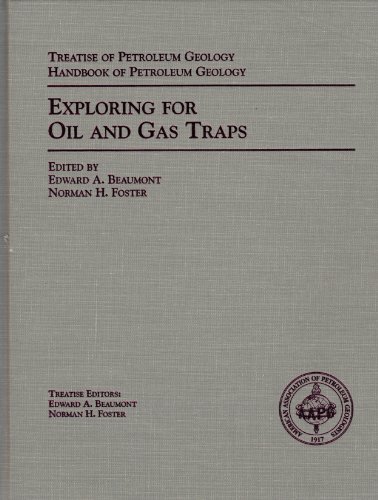
Exploring for Oil and Gas Traps (Treatise of Petroleum Geology,...
Authors:
Edward A. Beaumont
Publisher:
American Association Of Petroleum Geologists
Publication Date:
Not available
ISBN:
089181602X
Learn critical techniques for generating viable prospects. This is a how-to encyclopedia of prospecting for oil and gas. The book, an addition to the... Handbook set of the Treatise of Petroleum Geology, focuses on procedures and proven petroleum exploration techniques that are critical for generating viable prospects. With an emphasis on the importance of creative thinking and the benefits of a multidisciplinary team approach, this publication provides a blueprint for your success as an oil finder. The book's twenty-one chapters deal with exploration philosophy, the concept and critical elements of traps in a petroleum system, evaluating the elements of a petroleum province, and methods for predicting reservoir occurrence, quality, and performance.American Association Of Petroleum Engineers (AAPG)Founded in 1917, we are the world's largest professional geological society, with over 30,000 members.We are a pillar of the world-wide scientific community. Our books foster scientific research, advance the science of geology and promote the most effective use of petroleum extraction & processing technology and practice.Some of the areas we publish in include:GISPetroleum EngineeringWell Log AnalysisGeological ModelingCarbonate PetrologySeismic ImagingReservoir CharacterizationRegional Petroleum Analysis

EXPLORING FOUNDATIONS OF AMERICAN EDUC.
Authors:
Not Available
Publisher:
Not available
Publication Date:
Not available
ISBN:
Not available
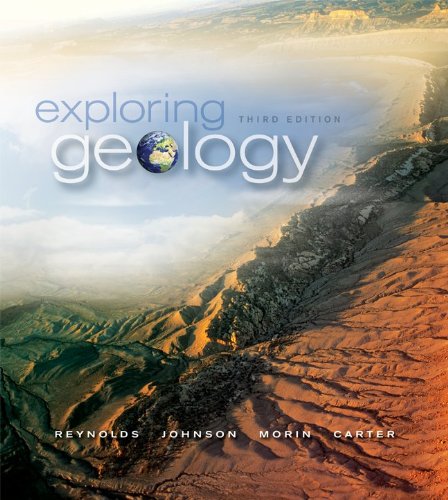
Exploring Geology
Authors:
Stephen Reynolds
Publisher:
McGraw-Hill Science/Engineering/Math
Publication Date:
Not available
ISBN:
0073524123
Exploring Geology by Reynolds/Johnson/Kelly/Morin/Carter is an innovative textbook intended for an introductory college geology course, such as Physical... Geology. This ground-breaking, visually spectacular book was designed from cognitive and educational research on how students think, learn, and study. Nearly all information in the book is built around 2,600 photographs and stunning illustrations, rather than being in long blocks of text that are not articulated with figures. These annotated illustrations help students visualize geologic processes and concepts, and are suited to the way most instructors already teach. To alleviate cognitive load and help students focus on one important geologic process or concept at a time, the book consists entirely of two-page spreads organized into 19 chapters. Each two-page spread is a self-contained block of information about a specific topic, emphasizing geologic concepts, processes, features, and approaches. These spreads help students learn and organize geologic knowledge in a new and exciting way. Inquiry is embedded throughout the book, modeling how geologists investigate problems. The title of each two-page spread and topic heading is a question intended to get readers to think about the topic and become interested and motivated to explore the two-page spread for answers. Each chapter is a learning cycle, which begins with a visually engaging two-page spread about a compelling geologic issue. Each chapter ends with an Investigation that challenges students with a problem associated with a virtual place. The world-class media, spectacular presentations, and assessments are all tightly articulated with the textbook. This book is designed to encourage students to observe, interpret, think critically, and engage in authentic inquiry, and is highly acclaimed by reviewers, instructors, and students.
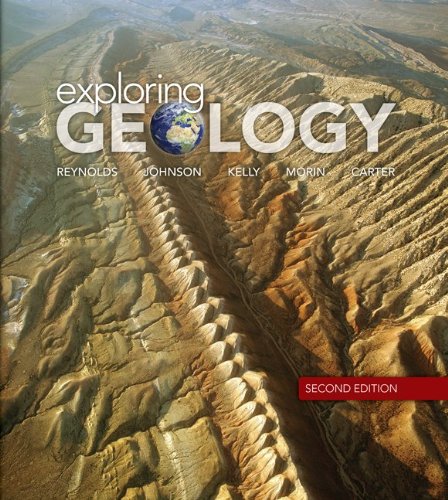
Exploring Geology
Authors:
Stephen Reynolds
Publisher:
McGraw-Hill Science/Engineering/Math
Publication Date:
Not available
ISBN:
0077270401
Exploring Geology by Reynolds/Johnson/Kelly/Morin/Carter is an innovative textbook intended for an introductory college geology course, such as Physical... Geology. This ground-breaking, visually spectacular book was designed from cognitive and educational research on how students think, learn, and study. Nearly all information in the book is built around 2,600 photographs and stunning illustrations, rather than being in long blocks of text that are not articulated with figures. These annotated illustrations help students visualize geologic processes and concepts, and are suited to the way most instructors already teach. To alleviate cognitive load and help students focus on one important geologic process or concept at a time, the book consists entirely of two-page spreads organized into 19 chapters. Each two-page spread is a self-contained block of information about a specific topic, emphasizing geologic concepts, processes, features, and approaches. These spreads help students learn and organize geologic knowledge in a new and exciting way. Inquiry is embedded throughout the book, modeling how geologists investigate problems. The title of each two-page spread and topic heading is a question intended to get readers to think about the topic and become interested and motivated to explore the two-page spread for answers. Each chapter is a learning cycle, which begins with a visually engaging two-page spread about a compelling geologic issue. Each chapter ends with an Investigation that challenges students with a problem associated with a virtual place. The world-class media, spectacular presentations, and assessments are all tightly articulated with the textbook. This book is designed to encourage students to observe, interpret, think critically, and engage in authentic inquiry, and is highly acclaimed by reviewers, instructors, and students.
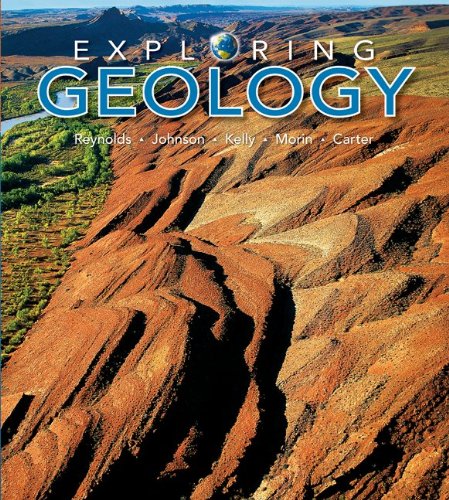
Exploring Geology
Authors:
Stephen Reynolds
Publisher:
McGraw-Hill Science/Engineering/Math
Publication Date:
Not available
ISBN:
007325651X
Exploring Geology by Reynolds/Johnson/Kelly/Morin/Carter is a new, innovative textbook intended for an introductory college geology course, such as... Physical Geology. This ground-breaking, visually spectacular book was designed from cognitive and educational research on how students think, learn, and study. Nearly all information in the book is built around nearly 2,700 photographs and stunning illustrations, rather than being in long blocks of text that are not articulated with figures. These annotated illustrations help students visualize geologic processes and concepts, and are suited to the way most instructors already teach. To alleviate cognitive load and help students focus on one important geologic process or concept at a time, the book consists entirely of two-page spreads organized into 19 chapters. Each two-page spread is a self-contained block of information about a specific topic, emphasizing geologic concepts, processes, features, and approaches. These spreads help students learn and organize geologic knowledge in a new and exciting way. Inquiry is embedded throughout the book, as is the way geologists investigate problems. The title of each two-page spread and topic heading is a question intended to get readers to think about the topic and become interested and motivated to explore the two-page spread for answers. Each chapter is a learning cycle, which begins with a visually engaging two-page spread about a compelling geologic issue. Each chapter ends with an Investigation that challenges students with a problem associated with a virtual place. The world-class media, spectacular presentations, and assessments are all tightly articulated with the textbook. This book is designed to encourage students to observe, interpret, think critically, and engage in authentic inquiry, and is highly acclaimed by reviewers, instructors, and students.
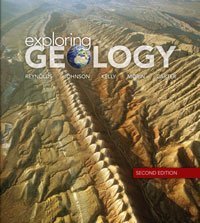
Exploring Geology
Authors:
Stephen Reynolds
Publisher:
Mcgraw-Hill College
Publication Date:
Not available
ISBN:
007337668X
Exploring Geology by Reynolds/Johnson/Kelly/Morin/Carter is an innovative textbook intended for an introductory college geology course, such as Physical... Geology. This ground-breaking, visually spectacular book was designed from cognitive and educational research on how students think, learn, and study. Nearly all information in the book is built around 2,600 photographs and stunning illustrations, rather than being in long blocks of text that are not articulated with figures. These annotated illustrations help students visualize geologic processes and concepts, and are suited to the way most instructors already teach. To alleviate cognitive load and help students focus on one important geologic process or concept at a time, the book consists entirely of two-page spreads organized into 19 chapters. Each two-page spread is a self-contained block of information about a specific topic, emphasizing geologic concepts, processes, features, and approaches. These spreads help students learn and organize geologic knowledge in a new and exciting way. Inquiry is embedded throughout the book, modeling how geologists investigate problems. The title of each two-page spread and topic heading is a question intended to get readers to think about the topic and become interested and motivated to explore the two-page spread for answers. Each chapter is a learning cycle, which begins with a visually engaging two-page spread about a compelling geologic issue. Each chapter ends with an Investigation that challenges students with a problem associated with a virtual place. The world-class media, spectacular presentations, and assessments are all tightly articulated with the textbook. This book is designed to encourage students to observe, interpret, think critically, and engage in authentic inquiry, and is highly acclaimed by reviewers, instructors, and students.
EXPLORING GEOLOGY BUNDLE W/ CONNECTPLUS
Authors:
Not Available
Publisher:
Not available
Publication Date:
Not available
ISBN:
Not available
Exploring Geology Custom Ysu Edition W/Connect Plus Access Code
Authors:
Not Available
Publisher:
Not available
Publication Date:
Not available
ISBN:
Not available
EXPLORING GEOLOGY F/UNC CHARLOTTE
Authors:
Not Available
Publisher:
Not available
Publication Date:
Not available
ISBN:
Not available
EXPLORING GEOLOGY PKG
Authors:
Not Available
Publisher:
Not available
Publication Date:
Not available
ISBN:
Not available
EXPLORING GEOLOGY-W/CONNECT+ACCESS LOOS
Authors:
Not Available
Publisher:
Not available
Publication Date:
Not available
ISBN:
Not available
EXPLORING GEOLOGY W/CONNECTP-CSUC CUSTO
Authors:
Not Available
Publisher:
Not available
Publication Date:
Not available
ISBN:
Not available
Exploring Geometry and Measurement in Grades 3-5 with the...
Authors:
Not Available
Publisher:
Key Curriculum Press
Publication Date:
Not available
ISBN:
1604402202
Exploring Geometry with the Geometer's Sketchpad V5
Authors:
Not Available
Publisher:
Key Curriculum Press
Publication Date:
Not available
ISBN:
1604402229

Exploring Geometry With the Geometer's Sketchpad, Version 4
Authors:
Dan Bennett
Publisher:
Key Curriculum Press
Publication Date:
Not available
ISBN:
1559535814
To be used with Geometer's Sketchpad Version 4; CD-ROM contains all the pre-made sketches required for the activities described, plus demonstration... sketches & aditional resources
 '





