production
/viewbook/list/all/?page=5246
/
/static/
None
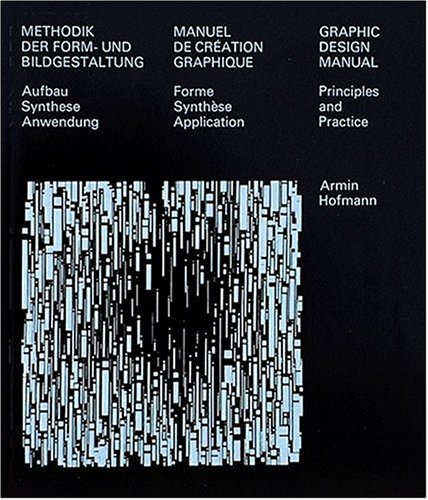
Graphic Design Manual: Principles and Practice/Methodik Der...
Authors:
Armin Hofmann
Publisher:
Arthur Niggli
Publication Date:
Not available
ISBN:
3721200063
This newly revised book was first published in 1965. Elements of image and form are analysed and examined with regard to their inherent laws. The... lessons of methodical design are used today in computer monitor design as well. The desktop publishing technique requires very clear conceptual and methodical working processes. This book, which is divided into computer-system-friendly sections, will thus serve this new circle of users as a valuable introduction.
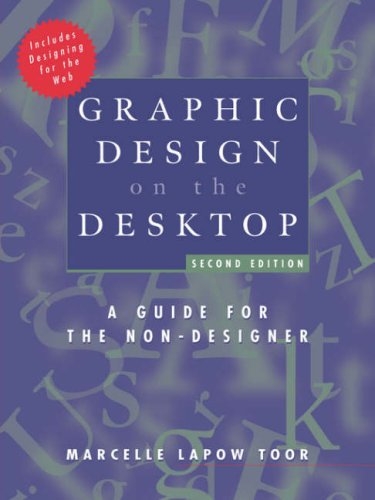
Graphic Design on the Desktop: A Guide for the Non-Designer, 2nd...
Authors:
Marcelle Lapow Toor
Publisher:
Wiley
Publication Date:
Not available
ISBN:
0471293075
The complete and user-friendly introduction to graphic design--in a new editionNow with information on Web site design, plus examples, exercises, and... more!Today, anyone with a good basic computer setup can produce a newsletter or a Web page--but to create effective, professional-quality pieces that stand out from the competition, you need more than a hard drive and some decent software. You need an understanding of how visual communication works and a solid grasp of the principles of design, composition, and typography. You need Graphic Design on the Desktop.Written specifically for those who have little or no design background or experience, this accessible guide teaches you the fundamentals of sound graphic design and gives you the practical know-how to put them to work on your own projects, from initial concept through final production.This new edition covers every key element of the design process, including format, layout and page design, typesetting, color, and illustrations--and offers clear explanations of type terminology, printing terms, and more. It guides you step-by-step through the design and production of ads, posters, brochures, and other promotional materials, as well as newsletters and magazines. A separate chapter on designing for the Web helps you make the most of home page and Web site designs.Complete with helpful examples, exercises, hints, and checklists, plus tips on common pitfalls and how to avoid them, Graphic Design on the Desktop is the ideal design partner for projects that get attention and get results.
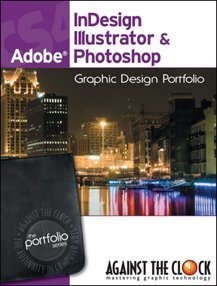
Graphic Design Portfolio CS4: InDesign, Illustrator & Photoshop...
Authors:
Inc. Against The Clock
Publisher:
Against The Clock, Inc.
Publication Date:
Not available
ISBN:
0976432439
Part of the Against The Clock Professional Portfolio Series, The Graphic Design Portfolio offers an in-depth introduction to three of the most popular... applications in graphic design. The real-world projects in this book provide a solid foundation for graphic design students to build into more advanced print design specialties, or even to jump right into an entry-level career in print graphic design: In Illustrator CS4: Use basic geometric drawing techniques to create a series of international icons. Use vector-based drawing techniques to create the complex shapes of a hot air balloon. Use advanced drawing techniques to create a completed logo, including realistic gradients and logotype. In Photoshop CS4: Use a variety of techniques to create and manipulate selections, and combine multiple images into a cohesive magazine ad. Use Smart Objects, filters, and effects to create digital artwork. Use retouching and adjustment tools to correct problems in a series of restaurant images. In InDesign CS4: Use external images, transparency, and effects to combine client content into a visually appealing jazz festival poster. Use a layout template, master pages, and text formatting options to create a monthly client newsletter. Use page guides to build a common folding document template, and work with styles to automate repetitive formatting options. Plus, Project 10 combines skills in all three applications, including some of the cross-application features that are enabled using the Adobe Creative Suite.
Graphic Design Portfolio CS5: Adobe InDesign Illustrator &...
Authors:
Inc. Against The Clock
Publisher:
Against The Clock, Inc.
Publication Date:
Not available
ISBN:
1936201070
The seamless interaction between the various applications in Adobe Creative Suite 5 makes it easier than ever to create professional designs. This book... provides a solid foundation in the three most popular software titles - Photoshop, Illustrator, and InDesign. The ten projects in this book were designed to represent the range of jobs likely to be encountered during a professional career in graphic design.
Graphic Design Portfolio Strategies for Print and Digital Media
Authors:
Robert Rowe
Publisher:
Pearson
Publication Date:
Not available
ISBN:
0136140319
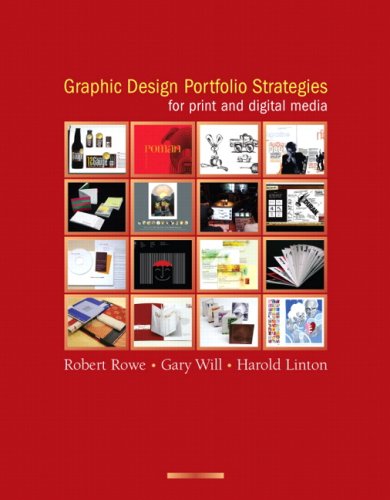
This book presents the task of creating that all-important portfolio for today’s print and interactive design fields in a manageable series of steps.... Portfolio Laboratory for Graphic Design serves as a sourcebook for graphic design students who are planning the design of their portfolio for applications to graduate schools, grants, scholarships, employment opportunities, and fellowships. Strategies in design principles are illustrated with examples of successful portfolios from design students along with tips and insights from top professionals in the field.
Graphic Design, Referenced: A Visual Guide to the Language,...
Authors:
Bryony Gomez-Palacio
Publisher:
Rockport Publishers
Publication Date:
Not available
ISBN:
1592537421
Graphic Design, Referenced is a visual and informational guide to the most commonly referenced terms, historical moments, landmark projects, and... influential practitioners in the field of graphic design. With more than 2,000 design projects illustrating more than 400 entries, it provides an intense overview of the varied elements that make up the graphic design profession through a unique set of chapters: "principles" defines the basic foundation of what constitutes graphic design; "knowledge" explores the most influential sources through which we learn about graphic design; "representatives" gathers the most prominent designers who have steered the course of graphic design in one way or another; and "practice" highlights some of the most iconic work produced that serve as examples of best practices and illustrate its potential lasting legacy.
Graphic Design, Referenced: A Visual Guide to the Language,...
Authors:
Armin Vit
Publisher:
Rockport Publishers
Publication Date:
Not available
ISBN:
1592534473
Graphic Design, Referenced is a visual and informational guide to the most commonly referenced terms, historical moments, landmark projects, and... influential practitioners in the field of graphic design. With more than 2,000 design projects illustrating more than 400 entries, it provides an intense overview of the varied elements that make up the graphic design profession through a unique set of chapters: “principles" defines the very basic foundation of what constitutes graphic design to establish the language, terms, and concepts that govern what we do and how we do it, covering layout, typography, and printing terms; “knowledge" explores the most influential sources through which we learn about graphic design from the educational institutions we attend to the magazines and books we read; “representatives" gathers the designers who over the years have proven the most prominent or have steered the course of graphic design in one way or another; and “practice" highlights some of the most iconic work produced that not only serve as examples of best practices, but also illustrate its potential lasting legacy. Graphic Design, Referenced serves as a comprehensive source of information and inspiration by documenting and chronicling the scope of contemporary graphic design, stemming from the middle of the twentieth century to today.
Graphic Design Solutions
Authors:
Robin Landa
Publisher:
Wadsworth Publishing
Publication Date:
Not available
ISBN:
0495897701
This best-selling text remains the most comprehensive how-to reference on graphic design and advertising for print and interactive media, intended to... serve as a foundation for a graphic design and advertising design education. Theory and applications are stressed with an instructive approach. Known for its thorough treatment of theory and major graphic design applications, this text concentrates on the integration of design principles and elements, providing hundreds of meaningful examples of their interaction throughout.
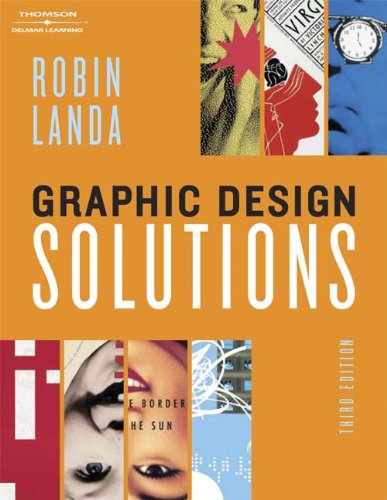
Graphic Design Solutions, Third Edition
Authors:
Robin Landa
Publisher:
Delmar Cengage Learning
Publication Date:
Not available
ISBN:
1401881548
Cutting-edge concepts, a beautifully illustrated text, and a dazzling array of award-winning design make the third edition of this standout best-seller... one of the most highly acclaimed design texts in the world. Graphic Design Solutions continues to provide a clear and comprehensive introduction to graphic design and advertising design, with step-by-step visual solutions that readers can apply with confidence to their own design and advertising projects. A highly illustrative, straightforward assessment of developing winning graphic design solutions for a variety of media-including print, Web, television, and unconventional formats-helps designers think critically and creatively about their work while understanding the demands of the graphic design profession in today's world.
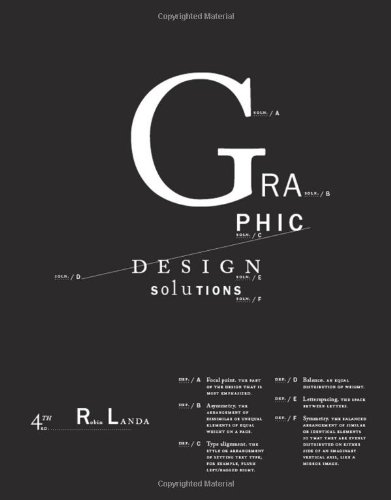
Graphic Design Solutions (with Premium Website Printed Access Card)...
Authors:
Robin Landa
Publisher:
Wadsworth Publishing
Publication Date:
Not available
ISBN:
0495572810
This best-selling text remains the most comprehensive how-to reference on graphic design and advertising for print and interactive media, intended to... serve as a foundation for a graphic design and advertising design education. Theory and applications are stressed with an instructive approach. Known for its thorough treatment of theory and major graphic design applications, this text concentrates on the integration of design principles and elements, providing hundreds of meaningful examples of their interaction throughout.
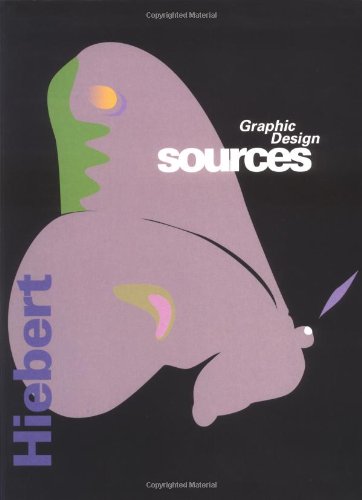
Graphic Design Sources
Authors:
Kenneth J. Hiebert
Publisher:
Yale University Press
Publication Date:
Not available
ISBN:
0300074611
In this book, a graphic designer and teacher addresses students, educators, computer graphics users, practising designers and others seeking to... understand the principles and process of good design. Kenneth J. Hiebert extends the approach he used in his previous book, "Graphic Design Processes", showing how inventive graphic design arises from diverse stimulus sources. Interweaving theory and concrete, creative activity, he demonstrates the integration of such stimuli as nature, music, personal experience, statistical data, vernacular expression and architecture in well-designed work. With explanations and hundreds of illustrations, Hiebert discusses and demonstrates the process of design creation: first finding more universal and latent beginning points inherent in sources, then engaging in a thought process that leads to interpretive results. He explains how to use the computer as an enabling tool while avoiding the cliche forms of obvious computer-generated design. When designers understand how to meld form, technique and communication, Hiebert says, design becomes a personal process, independent of sytlistic trends.
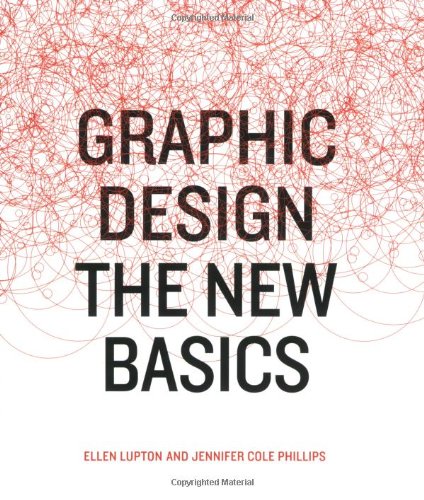
Graphic Design: The New Basics
Authors:
Ellen Lupton
Publisher:
Princeton Architectural Press
Publication Date:
Not available
ISBN:
1568987021
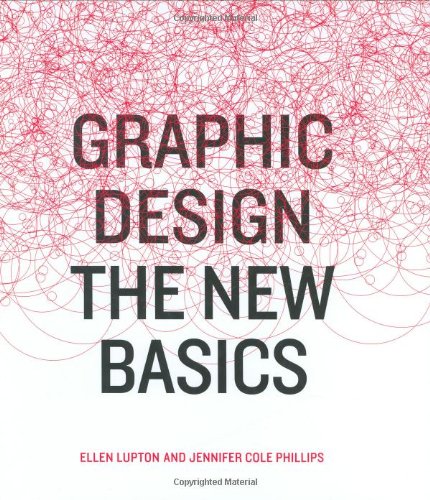
How do designers get ideas? Many spend their time searching for clever combinations of forms, fonts, and colors inside thedesign annuals and monographs... of other designers' work. For those looking to challenge the cut-and-paste mentality thereare few resources that are both informative and inspirational. In Graphic Design: The New Basics, Ellen Lupton, best-selling author of such books as Thinking with Type and Design It Yourself, and design educator Jennifer Cole Phillips refocus design instruction on the study of the fundamentals of form in a critical, rigorous way informed by contemporary media, theory, and software systems. Through visual demonstrations and concise commentary, The New Basics shows students and professionals how to build interest and complexity around simple relationships between formal elements of two-dimensional design such as point, line, plane, scale, hierarchy, layers, and transparency. The New Basics explains the key concepts of visual language that inform any work of designfrom a logo or letterhead to a complex web site. It takes a fresh approach to design instruction by emphasizing visually intensive, form-based thinking in a manner that is in tune with the latest developments in contemporary media, theory, art, and technology. Colorful, compact, and clearly written, The New Basics is the new indispensable resource for anyone seeking a smart, inspiring introduction to graphic design and destined to become the standard reference work in design education.
Graphic Design: The New Basics
Authors:
Ellen Lupton
Publisher:
Princeton Architectural Press
Publication Date:
Not available
ISBN:
1568987706
How do designers get ideas? Many spend their time searching for clever combinations of forms, fonts, and colors inside thedesign annuals and monographs... of other designers' work. For those looking to challenge the cut-and-paste mentality thereare few resources that are both informative and inspirational. In Graphic Design: The New Basics, Ellen Lupton, best-selling author of such books as Thinking with Type and Design It Yourself, and design educator Jennifer Cole Phillips refocus design instruction on the study of the fundamentals of form in a critical, rigorous way informed by contemporary media, theory, and software systems. Through visual demonstrations and concise commentary, The New Basics shows students and professionals how to build interest and complexity around simple relationships between formal elements of two-dimensional design such as point, line, plane, scale, hierarchy, layers, and transparency. The New Basics explains the key concepts of visual language that inform any work of designfrom a logo or letterhead to a complex web site. It takes a fresh approach to design instruction by emphasizing visually intensive, form-based thinking in a manner that is in tune with the latest developments in contemporary media, theory, art, and technology. Colorful, compact, and clearly written, The New Basics is the new indispensable resource for anyone seeking a smart, inspiring introduction to graphic design and destined to become the standard reference work in design education.
Graphic Design Theory: Readings from the Field (Design Briefs)
Authors:
Helen Armstrong
Publisher:
Princeton Architectural Press
Publication Date:
Not available
ISBN:
1568987722
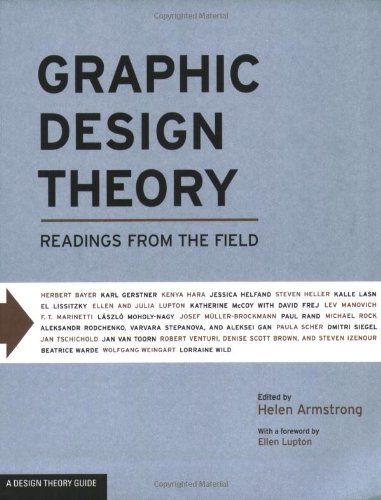
The titles in our best-selling Design Brief series are highly praised by graphic design students, educators, and professionals worldwide as invaluable... resources. Each beautifully designed, affordable volume offers a concise overview of a design fundamentalthe hows of design. But as most seasoned designers will tell you, a comprehensive education also requires an understanding of the whys of design practice. Graphic Design Theory presents groundbreaking, primary texts from the most important historical and contemporary designthinkers. From Aleksandr Rodchenko's "Who We Are: Manifesto of the Constructivist Group" to Kenya Hara's "Computer Technology and Design," this essential volume provides the necessary foundation for contemporary critical vocabulary and thought. Graphic Design Theory is organized in three sections: "Creating the Field" traces the evolution of graphic design over the course of the early 1900s, including influential avant-garde ideas of futurism, constructivism, and the Bauhaus; "Building on Success" covers the mid- to late twentieth century and considers the International Style, modernism, and postmodernism; and "Mapping the Future" opens at the end of the last century and includes current discussions on legibility, social responsibility, and new media. Striking color images illustrate each of the movements discussed and demonstrate the ongoing relationship between theory and practice. A brief commentary prefaces each text, providing a cultural and historical framework through which the work can be evaluated. Authors include such influential designers as Herbert Bayer, Lszl Moholy-Nagy, Karl Gerstner, Katherine McCoy, Michael Rock, Lev Manovich, Ellen Lupton, and Lorraine Wild. Additional features include a timeline, glossary, and bibliography for further reading. A must-have survey for graduate and undergraduate courses in design history, theory, and contemporary issues, Graphic Design Theory invites designers and interested readers of all levels to plunge into the world of design discourse.
Graphic Design Thinking (Design Briefs)
Authors:
Ellen Lupton
Publisher:
Princeton Architectural Press
Publication Date:
Not available
ISBN:
1568989792
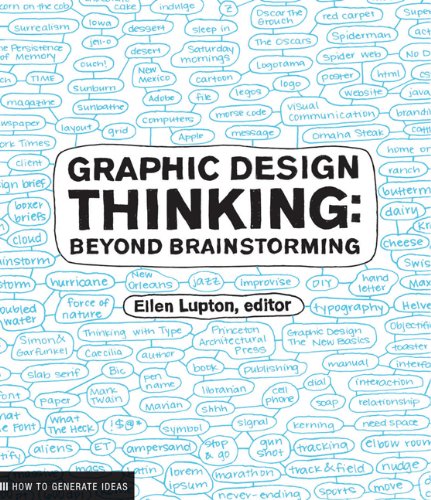
Creativity is more than an inborn talent; it is a hard-earned skill, and like any other skill, it improves with practice. Graphic Design Thinking: How... to Define Problems, Get Ideas, and Create Form explores a variety of informal techniques ranging from quick, seat-of-the-pants approaches to more formal research methods for stimulating fresh thinking, and ultimately arriving at compelling and viable solutions. In the style with which author Ellen has come to been known hands-on, up-close approach to instructional design writing brainstorming techniques are grouped around the three basic phases of the design process: defining the problem, inventing ideas, and creating form. Creative research methods include focus groups, interviewing, brand mapping, and co-design. Each method is explained with a brief narrative text followed by a variety of visual demonstrations and case studies. Also included are discussions with leading professionals, including Art Chantry, Ivan Chermayeff, Jessica Helfand, Steven Heller, Abott Miller, Christoph Niemann, Paula Scher, and Martin Venezky, about how they get ideas and what they do when the well runs dry. The book is directed at working designers, design students, and anyone who wants to apply inventive thought patterns to everyday creative challenges.
 '





