production
/viewbook/list/all/?page=5904
/
/static/
None

In Excess: Studies of Saturated Phenomena (Perspectives in...
Authors:
Jean-Luc Marion
Publisher:
Fordham University Press
Publication Date:
Not available
ISBN:
0823222179
In the third book in the trilogy that includes Reduction and Givenness and Being Given. Marion renews his argument for a phenomenology of givenness,... with penetrating analyses of the phenomena of event, idol, flesh, and icon. Turning explicitly to hermeneutical dimensions of the debate, Marion masterfully draws together issues emerging from his close reading of Descartes and Pascal, Husserl and Heidegger, Levinas and Henry. Concluding with a revised version of his response to Derrida, In the Name: How to Avoid Speaking of It, Marion powerfully re-articulates the theological possibilities of phenomenology.

Inexcusable
Authors:
Chris Lynch
Publisher:
Atheneum Books for Young Readers
Publication Date:
Not available
ISBN:
1416939725
"I am a good guy. Good guys don't do bad things. Good guys understand that no means no, and so I could not have done this because I understand." Keir... Sarafian knows many things about himself. He is a talented football player, a loyal friend, a devoted son and brother. Most of all, he is a good guy. And yet the love of his life thinks otherwise. Gigi says Keir has done something awful. Something unforgivable. Keir doesn't understand. He loves Gigi. He would never do anything to hurt her. So Keir carefully recounts the events leading up to that one fateful night, in order to uncover the truth. Clearly, there has been a mistake. But what has happened is, indeed, something inexcusable.
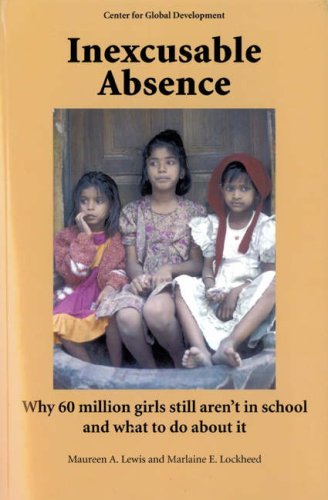
Inexcusable Absence
Authors:
Maureen A. Lewis
Publisher:
Center for Global Development
Publication Date:
Not available
ISBN:
1933286148
Girls' education, indisputably crucial to development, has received a lot of attention--but surprisingly little hardheaded analysis to inform ... practical policy solutions. In Inexcusable Absence, Maureen Lewis and Marlaine Lockheed propose new strategies for reaching the 70 percent of out-of-school girls who are "doubly disadvantaged" by their ethnicity, language, or other factors. The book will be an important tool for policymakers, informing interventions that can make a profound impact on the lives of the 60 million out-of-school girls.
In Fact: The Best of Creative Nonfiction
Authors:
Lee Gutkind
Publisher:
W. W. Norton & Company
Publication Date:
Not available
ISBN:
0393326659
Twenty-five arresting selections from the groundbreaking journal that defined a genre.Creative nonfiction, also known as narrative nonfiction,... liberated journalism by inviting writers to dramatize, interpret, speculate, and even re-create their subjects. Lee Gutkind collects twenty-five essays that flourished on this new ground, all originally published in the journal he founded, Creative Nonfiction, now celebrating its tenth anniversary. Lauren Slater is a therapist in the institution where she was once a patient. John Edgar Wideman reacts passionately to the unjust murder of Emmett Till. Charles Simic tells of wild nights with Uncle Boris. John McPhee creates a rare, personal, album quilt. Terry Tempest Williams speaks on the decline of the prairie dog. Madison Smartt Bell invades Haiti. Many of the writers are crossing genres—from poetry and fiction to nonfiction—symbolic of Creative Nonfiction's scope and popularity. A cross section of the famous and those bound to become so, this collection is a riveting experience highlighting the expanding importance of this dramatic and exciting new genre.

Infamous Desire: Male Homosexuality in Colonial Latin America
Authors:
Not Available
Publisher:
University Of Chicago Press
Publication Date:
Not available
ISBN:
0226757048
What did it mean to be a man in colonial Latin America? More specifically, what did indigenous and Iberian groups think of men who had sexual relations... with other men? Providing comprehensive analyses of how male homosexualities were represented in areas under Portuguese and Spanish control, Infamous Desire is the first book-length attempt to answer such questions. In a study that will be indispensable for anyone studying sexuality and gender in colonial Latin America, an esteemed group of contributors view sodomy through the lens of desire and power, relating male homosexual behavior to broader gender systems that defined masculinity and femininity.
Infancy & Childhood
Authors:
Charlotte Patterson
Publisher:
McGraw-Hill Humanities/Social Sciences/Languages
Publication Date:
Not available
ISBN:
0073355895
"Infancy and Childhood", brings the research to life through stories. What prompted researcher Virginia Apgar to develop what became the Apgar Test on... newborns? Who knew that psychologist Eleanor Gibson' famous 'visual cliff' experiment was inspired by her own toddler's experience of hesitation in approaching the edge of the Grand Canyon? These stories help students appreciate the relevance of theory, helping them internalize research-intensive material. Through integrating such stories, this text blends scientific rigor with accessibility. This text covers child development from infancy through pre-adolescence.
Infancy: Development From Birth to Age 3 (2nd Edition)
Authors:
Dana Gross
Publisher:
Pearson
Publication Date:
Not available
ISBN:
0205734197
For courses in Infancy and Early Childhood Development, with a focus on birth to age 3. Infancy: Development from Birth to Age... 3 helpsstudents understand the role of infant development research and how they may apply it to their own lives as well as the broader implications upon public policies. Students are also presented with the relevant historical information in many of the chapters to provide a broader perspective and highlight how far we’ve come in our understanding of the first 3 years of life. Issues of diversity and multicultural experience are also incorporated, illustrating how nature and nurture work together.
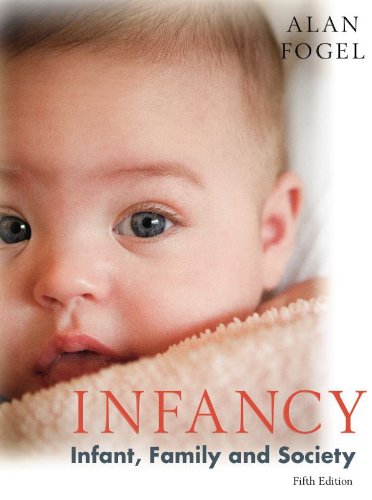
Infancy: Infant, Family, and Society
Authors:
Alan Fogel
Publisher:
Sloan Educational Publishing
Publication Date:
Not available
ISBN:
1597380164
Infancy: Infant, Family, & Society is the fifth edition of Alan Fogel's classic text on development in infancy. This edition features a new... publisher, a complete re-design for greater visual appeal, and a price that is 30% lower than the previous edition. This text spans the four-year period in the human life course between conception and 36 months. The book's scientifically-based coverage is balanced by clear and accessible writing and the inclusion of both theoretical and applied topics. Taking a systems perspective, this book places the infant in the context of interpersonal relationships with caregivers, other family members, hospitals, child care centers, and peers and with respect to the social policies and cultural practices that shape the course of these interpersonal relationships. A central theme of the book is the development of individual differences: the biological factors and environmental factors that combine to create unique developmental pathways for processes such as temperament, cognitive growth, and attachment.
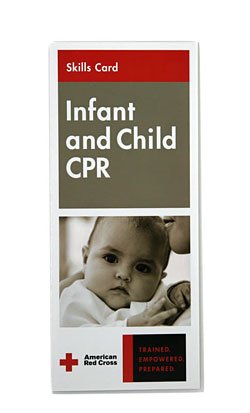
Infant & Child CPR Skills Card
Authors:
Not Available
Publisher:
Amer Red Cross
Publication Date:
Not available
ISBN:
1584803428
Laminated Skills Card that guides you through infant and child CPR/AED/CHOKING/RESCUE BREATHING, and other vital information when responding to a life... threatening situation.
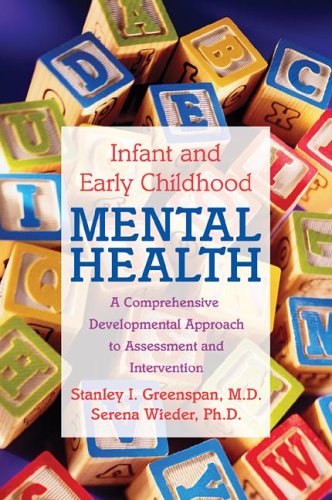
Infant and Early Childhood Mental Health: A Comprehensive,...
Authors:
Stanley I. Greenspan
Publisher:
American Psychiatric Association
Publication Date:
Not available
ISBN:
1585621641
Infant and Early Childhood Mental Health: A Comprehensive Developmental Approach to Assessment and Intervention redefines how we work with infants,... young children, and their families when mental health, developmental, or learning problems occur. The authors, who are recognized as the world's foremost authorities on clinical work with emotional and developmental challenges in the early years of life, demonstrate how to use their well-established and documented DIR (Developmental, Individual-Differences, Relationship-Based) model to work with the full range of infant and early childhood challenges. These include interactive problems, such as infants and young children with anxiety disorders, depression, attachment disorders, attentional problems, trauma, and elective mutism; regulatory-sensory processing problems, including infants and young children who are overresponsive and fearful, underresponsive and self-absorbed, sensory craving and overly active and aggressive, as well as those who have difficulty with planning and coordinating action; and neurodevelopmental disorders of relating and communicating, including infants and young children with autism spectrum disorders and other severe developmental challenges. Greenspan and Wieder show how these mental health and developmental challenges can be classified according to each child's unique emotion, cognitive, language, and sensory processing profile. Most importantly, they demonstrate and present their new data on the most effective ways of intervening with these challenges, demonstrating how even children with the most severe mental health and developmental problems can make more progress than formerly thought possible in learning to relate, communicate, and think meaningfully and adaptively. Infant and Early Childhood Mental Health is divided into four parts: -Part I presents the DIR model, including how biology and experience come together at each developmental stage to shape a child's relative mastery of the six core developmental capacities: basic attention and self-regulation; warmth and engagement; two-way, preverbal, purposeful communication and emotional signaling; organization of affective gestures into a continuous flow of problem-solving interactions; the emotional use of ideas in language or in pretend play; and the creation of logical bridges between two or more ideas. -Part II focuses on principles of assessment and intervention. It shows how the DIR approach to assessment and intervention harnesses the contributions of psychodynamic, behavioral, and educational approaches but goes beyond these to create a truly developmental, biopsychosocial approach that can identify and tailor interventions to each infant and/or child and family's unique profile. -Part III uses composite case studies to illustrate the principles of clinical evaluation and intervention to describe assessment and intervention strategies appropriate for different classes of infant and childhood disorders, including interactive disorders, regulatory-sensory processing disorders, and disorders of relating and communicating, such as autism. -Part IV presents a new model of early identification, prevention, and early intervention that can be used in primary health care, educational, mental health, and developmental programs. The model provides guidelines for parents and other caregivers to help infants and young children master and strengthen basic emotional, language, and cognitive capacities. For clinicians, researchers, and educators alike, Infant and Early Childhood Mental Health is simply the definitive resource for working with infants, young children, and their families.
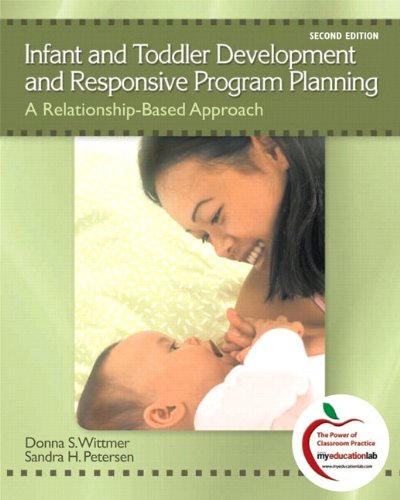
Infant and Toddler Development and Responsive Program Planning: A...
Authors:
Donna S. Wittmer
Publisher:
Pearson
Publication Date:
Not available
ISBN:
0138001243
“Infants and toddlers are remarkable, delightful, and engaging human beings who require sensitive and responsive families and teachers in order to... develop into capable and caring adults. Connections with others—families, teachers, and peers—support infants and toddlers as they figure out who they are, sustain meaningful relationships, and gain knowledge about their world. As you walk through the incredible developmental journey that infants and toddlers take, you will appreciate how children influence and impact their families and teachers—and in turn how families, cultural perspectives, and the larger world influence who these infants and toddlers become.” --From Chapter 1 of Infant and Toddler Development and Responsive Program Planning: A Relationship-Based Approach, Second Edition by Wittmer and Petersen Taking an applied approach, the authors of this comprehensive guide to development, curriculum, and program planning for infants and toddlers ages pre-birth to 36 months emphasize how important nurturing adults are to the young children in their care. Written in an accessible and engaging style to appeal to students at varying levels, the overarching theme of the book is that even infants communicate and how the adults in their lives respond to them will have a profound effect on their development. The goal of the book is that students reading it will learn strategies to promote the well-being, competence, positive developmental outcomes, and quality of life for infants and toddlers and their families. To accomplish this goal the authors have provided numerous pedagogical aids throughout the book, such as: Observation Invitations provide photos and written observations about children to show how adults can use such tools to benefit infants and toddler learning. Strategies to Support Development boxes summarize specific strategies for teachers and other adults that facilitate the child’s development in that domain. Developmental Trends and Responsive Interactions charts in the development chapters describe the capacities of the child as well as developmental milestones. Unique Beginnings sections in the development chapters provide insight into how young children and infants differ in their development. Reflections and Resources for the Reader at the end of each chapter provide follow-up questions and reinforce material that corresponds with the chapter content. Summary and Key terms review the main points and vocabulary of the chapter. Interesting Links at the end of each chapter give examples of websites that relate to the chapter content. They also give strong emphasis on the theories behind how children develop and learn, coverage of research on the important prenatal developmental period, and the five domains of development—emotional, social, cognitive, language, and motor. New to this Edition NEW! Chapter One now includes a comprehensive review of the literature regarding the key elements of a relationship-based approach and the research evidence that supports it NEW! Includes the most recent research on infant and toddler development, individualized planning, and curriculum NEW! Written to engage the student to respect the capabilities of infants and toddlers NEW! Discusses issues such as the effect of multiple attachments and bilingual opportunities for infants and toddlers NEW! Includes a new chapter on observations, documentation, and assessment of infants and toddlers NEW! Gives updated information on the effectiveness of different curriculum approaches
Infant and Toddler Development and Responsive Program Planning: A...
Authors:
Donna S. Wittmer
Publisher:
Pearson
Publication Date:
Not available
ISBN:
0137152639
“Infants and toddlers are remarkable, delightful, and engaging human beings who require sensitive and responsive families and teachers in order to... develop into capable and caring adults. Connections with others–families, teachers, and peers–support infants and toddlers as they figure out who they are, sustain meaningful relationships, and gain knowledge about their world. As you walk through the incredible developmental journey that infants and toddlers take, you will appreciate how children influence and impact their families and teachers–and in turn how families, cultural perspectives, and the larger world influence who these infants and toddlers become.” --From Chapter 1 of Infant and Toddler Development and Responsive Program Planning: A Relationship-Based Approach, Second Edition by Wittmer and Petersen Taking an applied approach, the authors of this comprehensive guide to development, curriculum, and program planning for infants and toddlers ages pre-birth to 36 months emphasize how important nurturing adults are to the young children in their care. Written in an accessible and engaging style to appeal to students at varying levels, the overarching theme of the book is that even infants communicate and how the adults in their lives respond to them will have a profound effect on their development. The goal of the book is that students reading it will learn strategies to promote the well-being, competence, positive developmental outcomes, and quality of life for infants and toddlers and their families. To accomplish this goal the authors have provided numerous pedagogical aids throughout the book, such as: Observation Invitations provide photos and written observations about children to show how adults can use such tools to benefit infants and toddler learning. Strategies to Support Development boxes summarize specific strategies for teachers and other adults that facilitate the child’s development in that domain. Developmental Trends and Responsive Interactions charts in the development chapters describe the capacities of the child as well as developmental milestones. Unique Beginnings sections in the development chapters provide insight into how young children and infants differ in their development. Reflections and Resources for the Reader at the end of each chapter provide follow-up questions and reinforce material that corresponds with the chapter content. Summary and Key terms review the main points and vocabulary of the chapter. Interesting Links at the end of each chapter give examples of websites that relate to the chapter content. They also give strong emphasis on the theories behind how children develop and learn, coverage of research on the important prenatal developmental period, and the five domains of development–emotional, social, cognitive, language, and motor. New to this Edition NEW! Chapter One now includes a comprehensive review of the literature regarding the key elements of a relationship-based approach and the research evidence that supports it NEW! Includes the most recent research on infant and toddler development, individualized planning, and curriculum NEW! Written to engage the student to respect the capabilities of infants and toddlers NEW! Discusses issues such as the effect of multiple attachments and bilingual opportunities for infants and toddlers NEW! Includes a new chapter on observations, documentation, and assessment of infants and toddlers NEW! Gives updated information on the effectiveness of different curriculum approaches

INFANT & CHILD DEVELOPMENT TEXT
Authors:
Not Available
Publisher:
Not available
Publication Date:
Not available
ISBN:
Not available
INFANT+CHILDREN:PREN.-MID.W/MY DEVLAB
Authors:
Not Available
Publisher:
Not available
Publication Date:
Not available
ISBN:
Not available
Infant Development (3rd Edition)
Authors:
Charles W. Snow
Publisher:
Prentice Hall
Publication Date:
Not available
ISBN:
0130481440
This book provides a comprehensive cutting-edge overview of infant growth and development—from conception though the first years of life.... Interdisciplinary in perspective and topically organized, it features balanced coverage of theory, research, and practical application, as well as a strong emphasis on the interrelationships between various developmental domains and the importance of the “whole” infant. Prenatal Development. The Birth Process and The Newborn. Physical Growth. Health, Safety, and Nutrition. Motor Development. Perceptual Development. Cognitive Development. Language Development. Personality. Social Development. Emotional Development. Infant Caregiving and Education. For anyone involved in infant care.
 '





