production
/viewbook/list/all/?page=6132
/
/static/
None

INTL DIVERSITY+INCLUSION LEXICON
Authors:
Not Available
Publisher:
Not available
Publication Date:
Not available
ISBN:
Not available
INTL ENVIRONMENTAL LAW 808
Authors:
Not Available
Publisher:
Not available
Publication Date:
Not available
ISBN:
Not available
INT'L FINANCE
Authors:
Not Available
Publisher:
Not available
Publication Date:
Not available
ISBN:
Not available
INTL FIN REPORTING STDS
Authors:
Not Available
Publisher:
Not available
Publication Date:
Not available
ISBN:
Not available
INT'L MARKETING CUSTOM W/ CONNECT PLUS
Authors:
Not Available
Publisher:
Not available
Publication Date:
Not available
ISBN:
Not available
Intl Mgmt+Interprtv Simul Pkg
Authors:
Not Available
Publisher:
Not available
Publication Date:
Not available
ISBN:
Not available
INTL POL ECON/DEBATES INTL POL ECON/SAC
Authors:
Not Available
Publisher:
Not available
Publication Date:
Not available
ISBN:
Not available
Intl Pol On The World Stage Brief
Authors:
Not Available
Publisher:
Not available
Publication Date:
Not available
ISBN:
0077284305
INTL RELTNS & WORLD POL PASS PKG
Authors:
Not Available
Publisher:
Not available
Publication Date:
Not available
ISBN:
Not available
INTNL MARKETING-F/UM-FLINT...]CUSTOM [
Authors:
Not Available
Publisher:
Not available
Publication Date:
Not available
ISBN:
Not available
INTODUCTORY MICROBIOLOGY LAB
Authors:
Not Available
Publisher:
Not available
Publication Date:
Not available
ISBN:
Not available
INTO FEZ TOURISM, TOURISTS AND TOUR GUIDES IN AN URBAN MOROCCAN...
Authors:
DIZARD JESSE
Publisher:
Kendall Hunt Publishing
Publication Date:
Not available
ISBN:
0757555047
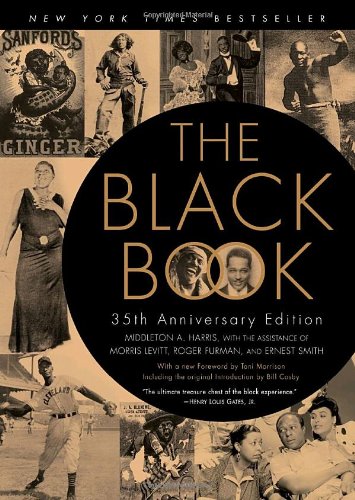
Seventeenth-century sketches of Africa as it appeared to marauding European traders. Nineteenth-century slave auction notices. Twentieth-century sheet... music for work songs and freedom chants. Photographs of war heroes, regal in uniform. Antebellum reward posters for capturing runaway slaves. An 1856 article titled “A Visit to the Slave Mother Who Killed Her Child.”In 1974, Middleton A. Harris and Toni Morrison led a team of gifted, passionate collectors in compiling these images and nearly 500 others into one sensational narrative of the black experience in America: The Black Book.Now in a deluxe 35th anniversary hardcover edition, The Black Book remains a breathtaking testament to the legendary wisdom, strength, and perseverance of black men and women intent on freedom. Prominent collectors Morris Levitt, Roger Furman, and Ernest Smith, as well as Middleton Harris and Toni Morrison (then a Random House editor, now a two-time Pulitzer Prize—winning Nobel laureate) spent months studying, laughing at, and crying over these materials–from transcripts of fugitive slaves’ trials and proclamations by Frederick Douglass and other celebrated abolitionists to chilling images of cross burnings and lynchings, patents registered by black inventors throughout the early twentieth century to vibrant posters from “Black Hollywood” films from the 1930s and 1940s.A labor of love and a vital link to the richness and diversity of African American history and culture, The Black Book honors the past, reminding us where our nation has been, and gives flight to our hopes for what is yet to come. Beautifully and faithfully presented, and featuring a new Foreword and original poem by Toni Morrison, The Black Book remains a timeless landmark work.
Into It: Poems
Authors:
Lawrence Joseph
Publisher:
Farrar, Straus and Giroux
Publication Date:
Not available
ISBN:
0374530572
Strikingly contemporary new work by an acclaimed poetInto It, Lawrence Joseph's fourth book of poems, is as bold a book as any in American poetry... today-an attempt to give voice to the extremes of American reality in the time since, as Joseph puts it, "the game changed."Joseph's first three books dramatized the challenge of maintaining one's self in a world in the hold of dehumanizing forces. The new book finds him in a time and place where "the immense enlargement / of our perspectives is confronted / by a reduction of our powers of action"-where the word "wargame" is a verb and "the weight of violence / is unparalleled in the history / of the species." Along the New York waterfront, on a crowded street, at the site where the World Trade Center stood: Joseph enters into these places to capture the thoughts and images, the colors and feelings, and the language that give the present its pressured complexity. Few contemporary writers have been able to shape this material into poetry, but Joseph has done so masterfully-in poems that are daring, searching, and classically satisfying. Into It is a new work by a poet of great originality and scope.
INTO LUMINOUS TIDE PACIFIC POEMS W/CD
Authors:
Not Available
Publisher:
Not available
Publication Date:
Not available
ISBN:
Not available
Intonations: A Social History of Music and Nation in Luanda,...
Authors:
Marissa J. Moorman
Publisher:
Ohio University Press
Publication Date:
Not available
ISBN:
0821418246
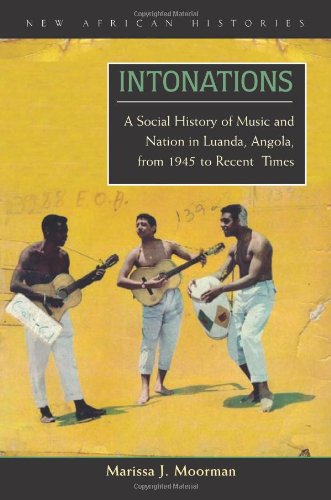
Intonationstells the story of how Angola's urban residents in the late colonial period (roughly 1945-74) used music to talk back to their colonial... oppressors and, more importantly, to define what it meant to be Angolan and what they hoped to gain from independence. Author Marissa J. Moorman presents a social and cultural history of the relationship between Angolan culture and politics. She argues that it was in and through popular urban music, produced mainly in the capital city of Luanda'smusseques(urban shantytowns), that Angolans forged the nation and developed expectations about nationalism. Through careful archival work and extensive interviews with musicians and those who attend performances in bars, community centers, and cinemas, Moorman explores the ways in which the urban poor imagined the nation. The spread of radio technology and the establishment of a recording industry in the early 1970s reterritorialized an urban-produced sound and cultural ethos by transporting music throughout the country. When the formerly exiled independent movements returned to Angola in 1975, they found a population receptive to their nationalist message but with different expectations about the promises of independence. In producing and consuming music, Angolans formed a new image of independence and nationalist politics. A compilation of Angolan music is included in CD format.
 '